
Plastic & Aesthetic Surgery
Gynecomastia Surgery
Surgery for enlarged breast tissue in men.
Consult Dr. Seema Mittal ↗
View before & after photos Illustrative image · not a patient result
Overview
About Gynecomastia
Gynecomastia is enlargement of the breast tissue in men. It can affect one or both sides and can have more than one cause. Some men seek advice when the chest looks prominent in fitted clothes or seems out of proportion with the rest of the body.
When to see a specialist
- 01A persistent concern about the shape or prominence of the chest
- 02A difference between the two sides, or a recent change
- 03Wanting to know whether surgery is suitable
Whether treatment is suitable can only be decided after a consultation and examination.

Your doctor
Dr. Seema Mittal
Plastic • Cosmetic • Reconstructive Surgery
- MBBS
- DNB – General Surgery
- DNB – Plastic Surgery
Plastic surgeon. She sees patients for cosmetic and reconstructive surgery of the face, breast and body, and for hair transplant.
Your consultation
What happens at the consultation.
At the first visit the doctor listens to your concern, takes a medical history and examines you. Not everyone who comes for a consultation needs a procedure.
Treatment planning
How the plan is decided.
The doctor examines the chest tissue and skin and asks what you would like to change. The plan depends on these findings and your general health, and is discussed only after the examination.
- 01
Your anatomy
- 02
Examination findings
- 03
What you want to change
- 04
General health
In detail
Gynecomastia surgery: what to know.
Causes, and checking them first
Enlarged breast tissue in men can have several causes, and the cause should be looked at before surgery is considered.
- Hormone changes in teenagers and older men, and being overweight.
- Some medicines, anabolic steroids, cannabis, alcohol and some bodybuilding supplements.
- Less often, conditions of the thyroid, liver, kidneys or testes.
- In teenagers it often settles on its own within months, so surgery is usually delayed until breast development has stopped.
Treating the cause, such as changing a medicine or losing weight, may be enough. Surgery is for enlargement that persists. Blood tests may be advised if the cause is not clear.
Who surgery may suit
- Men in good health, close to a healthy weight, whose breast development has stopped.
- Non-smokers who do not use anabolic steroids or drugs, since these can cause the enlargement to return.
- Surgery is not suitable when the chest is large only because of excess body weight.
The operation
- Usually under general anaesthetic, sometimes local anaesthetic with sedation. It takes about one and a half hours, and some patients stay overnight.
- Liposuction removes fatty tissue through small cuts. Firm gland tissue or extra skin has to be cut out, usually through a cut around the edge of the nipple. The two methods are often combined.
- In large reductions, the nipple may need to be moved and the scar is longer.
- A small drain is sometimes used for a short time.
Recovery
- A compression garment is worn day and night, usually for one to two weeks or as advised.
- Most people need only a few days off work. Exercise is avoided for about three weeks, and driving resumes once the seatbelt is comfortable.
- Normal activities are usually possible by about six weeks, and the final result can take up to six months.
- The result is usually long-lasting, provided weight stays stable and the original cause, such as steroids or certain medicines, is avoided.
Risks
Every operation carries some risk. Your doctor will go through the risks that apply to you before you decide.
- Scarring, uneven contour or asymmetry between the two sides.
- Collections of blood or fluid under the skin, infection and wound-healing problems.
- Reduced or altered feeling in the nipples.
- Occasionally a further operation to refine the result. Blood clots are a rare risk.
General information, checked against published guidance (September 2026). It does not replace an individual consultation; your doctor will advise on your own case.
Sources: NHS: Gynaecomastia · NHS: Male breast reduction · NHS Scotland: Gynaecomastia pathway · American Society of Plastic Surgeons
Before & After
Gynecomastia Surgery Results
Photographs of patients treated at I·PLAST, published with their consent. Results vary from patient to patient.
Gynecomastia
Before and after gynecomastia treatment.
Specialist: Dr. Seema Mittal
About this treatmentBefore

After
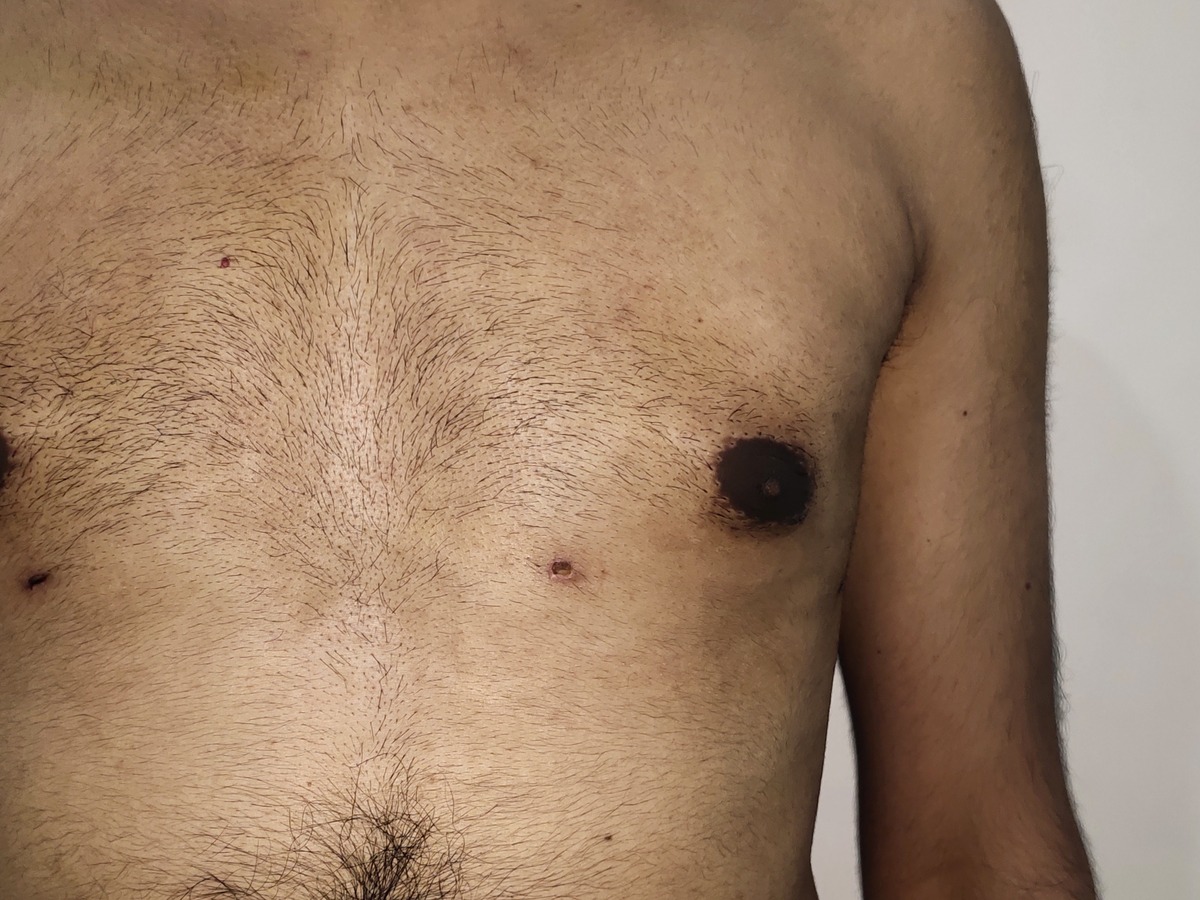
Gynecomastia
Before and after gynecomastia treatment.
Specialist: Dr. Seema Mittal
About this treatmentBefore
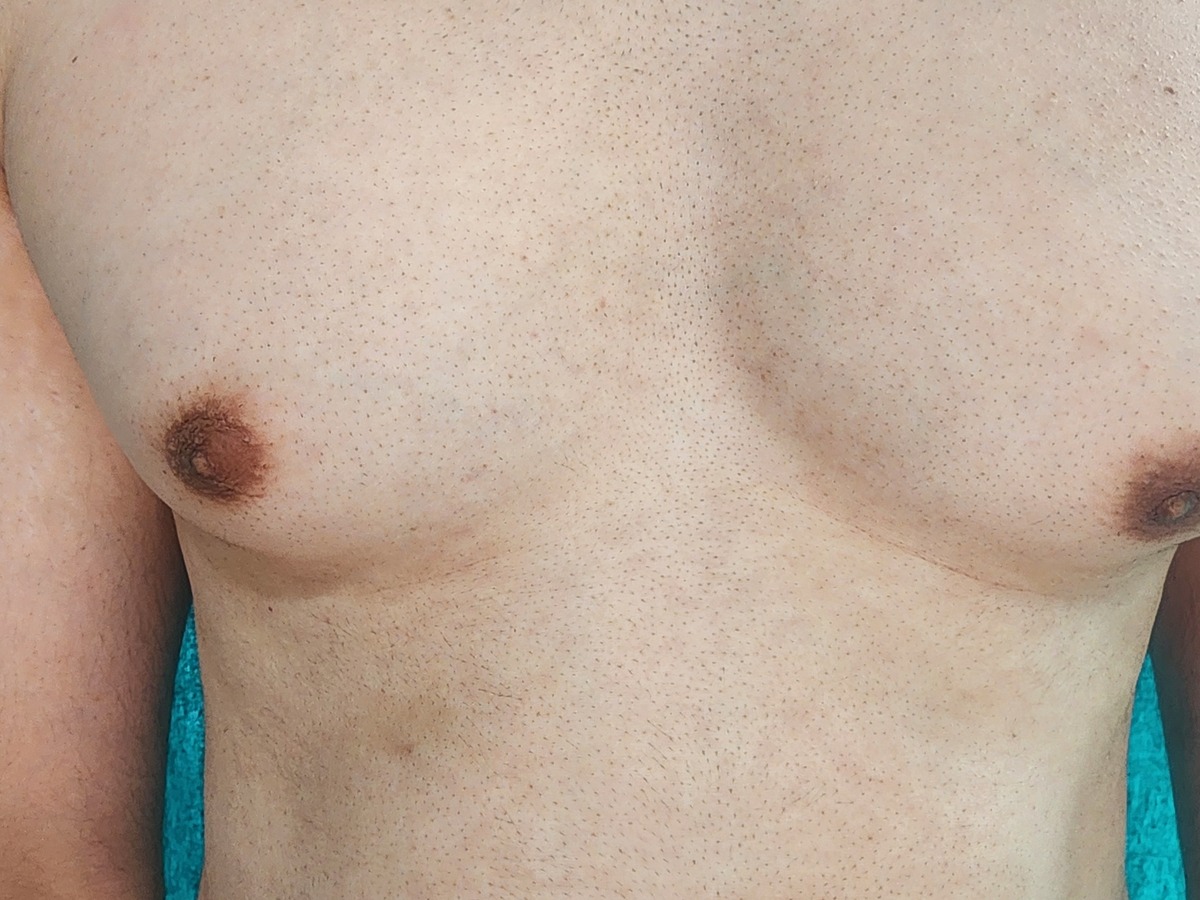
After

Gynecomastia
Before and after gynecomastia treatment.
Specialist: Dr. Seema Mittal
About this treatmentBefore
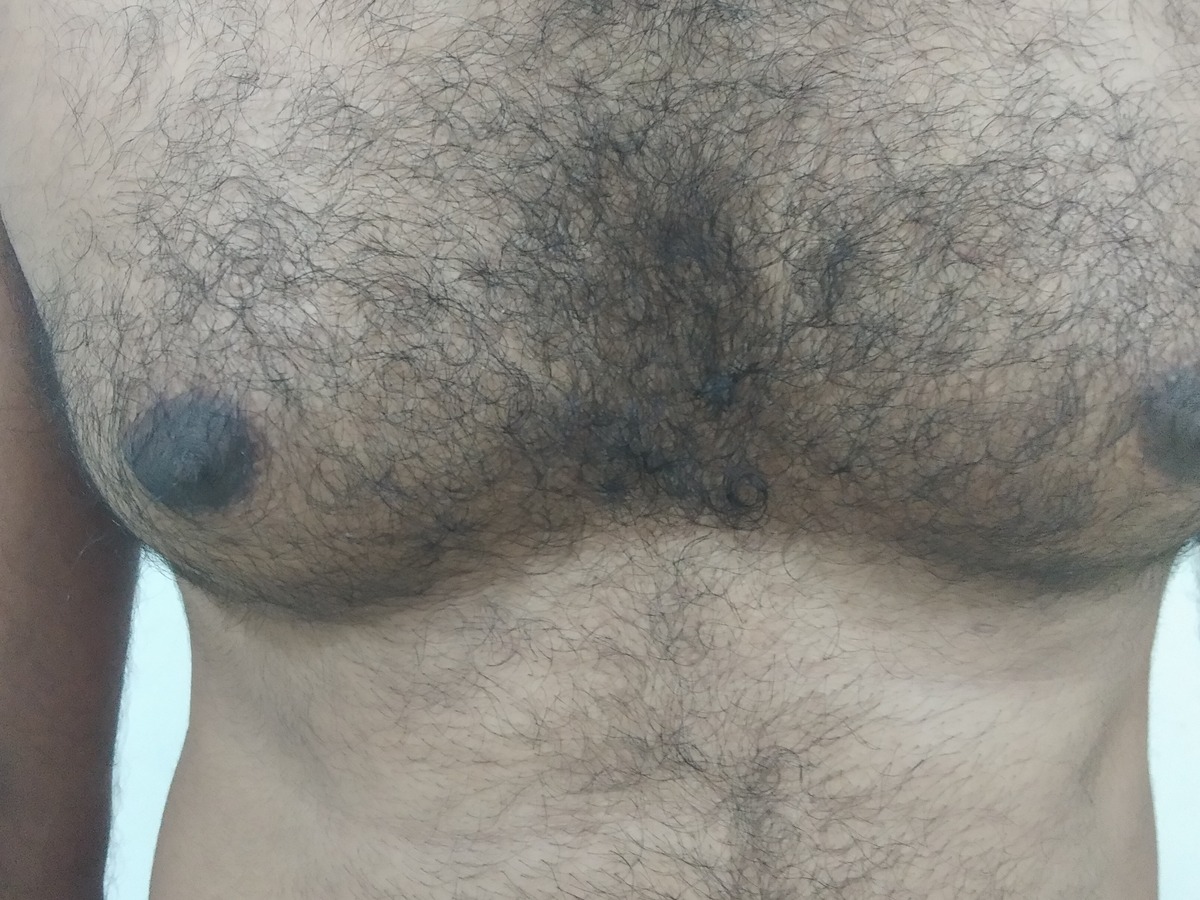
After

Show more cases
Gynecomastia
Before and after gynecomastia treatment.
Specialist: Dr. Seema Mittal
About this treatmentBefore

After
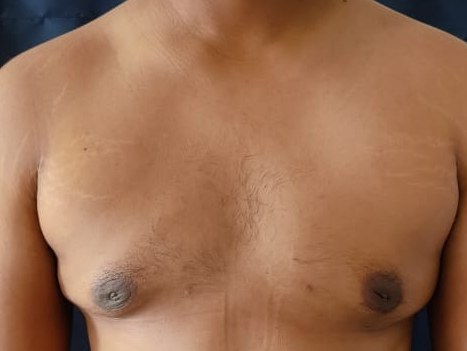
Gynecomastia
Before and after gynecomastia treatment.
Specialist: Dr. Seema Mittal
About this treatmentBefore

After

Gynecomastia
Before and after gynecomastia treatment.
Specialist: Dr. Seema Mittal
About this treatmentBefore
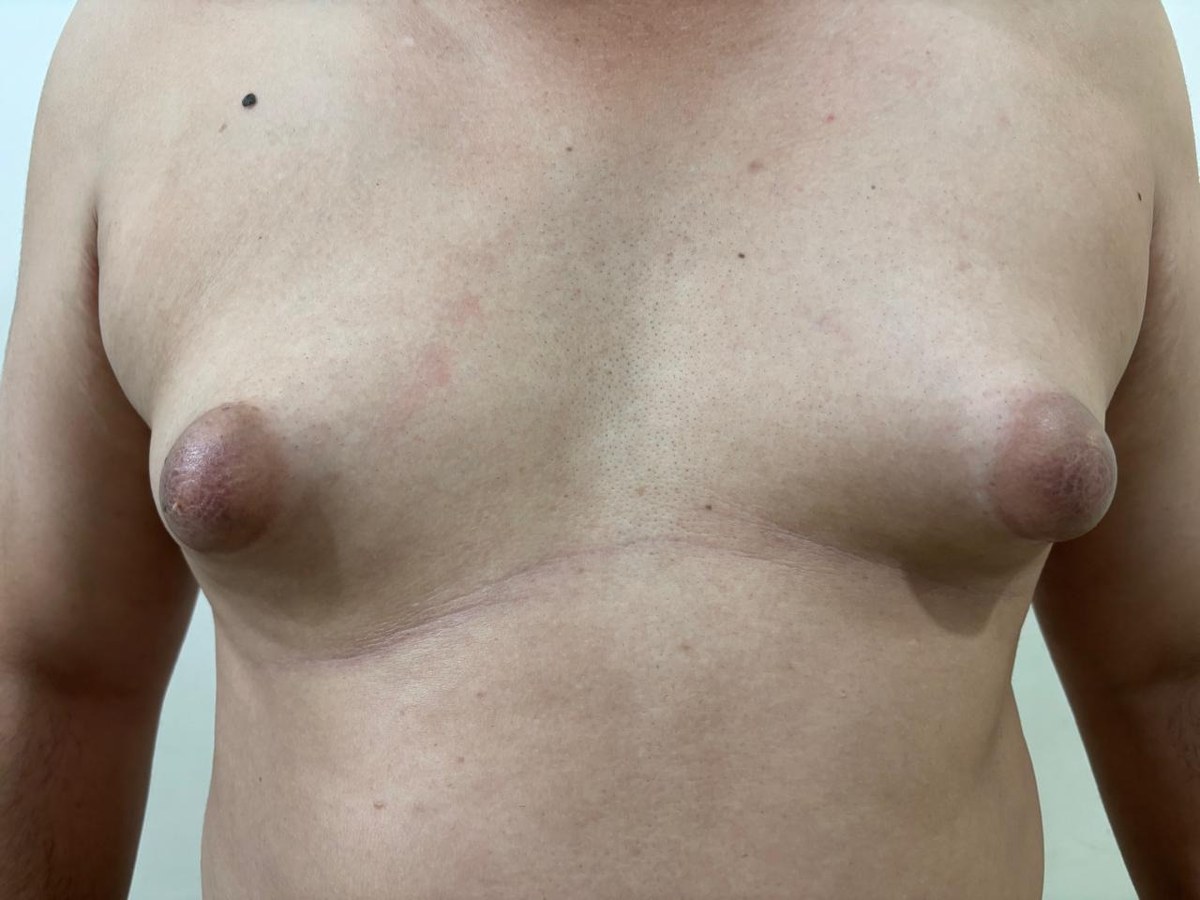
After

Results vary between patients. These photographs show individual cases and cannot predict the result for anyone else.
Considering this treatment?
Book a consultation to find out whether it is suitable for you.
What to expect
From first visit to follow-up.
- 01
Consultation
Tell the doctor what concerns you and ask your questions.
- 02
Examination & Planning
The doctor examines you and explains the options, including their limits.
- 03
Treatment
Carried out only if it is suitable for you and you decide to go ahead.
- 04
Follow-Up
Check-ups after treatment to review healing and any next steps.
FAQs
Common questions.
This can only be decided after a consultation and examination. The doctor will go through your concern, your medical history and the options available.
The doctor asks about your concern and medical history, examines you, and discusses what you hope to change and whether treatment is advisable.
Dr. Seema Mittal sees patients for this treatment at I·PLAST.
Yes. If treatment is planned, the doctor will explain aftercare, any activity restrictions and the follow-up visits you will need.
Not necessarily. Results depend on your anatomy, the examination findings, your general health and the procedure. Photographs of other patients show their results only.
No. Surgery is not decided from appearance alone. The doctor first asks about your concern and medical history and examines the chest.
Related care