
Eye & Oculoplastic Surgery
Ptosis Surgery
Surgery for a drooping upper eyelid.
Consult Dr. Raman Mittal ↗
View before & after photos Illustrative image · not a patient result
Overview
About Ptosis
Ptosis means the upper eyelid sits lower than normal. It can affect one or both eyes and, in some cases, gets in the way of vision. The cause varies, so the eyelid is examined before any treatment is planned.
When to see a specialist
- 01A drooping upper eyelid on one or both sides
- 02A change in eyelid position or symmetry
- 03Concerns about vision or appearance
Whether treatment is suitable can only be decided after a consultation and examination.

Your doctor
Dr. Raman Mittal
Ophthalmology • Oculoplastic Surgery
- MBBS
- DNB – Ophthalmology
- Fellowship in Oculoplasty
Ophthalmologist and oculoplastic surgeon. He treats problems of the eyelids, tear ducts, orbit and eye socket, including cosmetic and reconstructive surgery around the eye.
Your consultation
What happens at the consultation.
At the first visit the doctor listens to your concern, takes a medical history and examines you. Not everyone who comes for a consultation needs a procedure.
Treatment planning
How the plan is decided.
The doctor examines the eyelid position and movement and checks the eye itself. The choice of operation depends on these findings.
- 01
Your anatomy
- 02
Examination findings
- 03
What you want to change
- 04
General health
Techniques
- Operations used for ptosis include the tarso-frontal sling, LPS resection and LPS plication. Which one is suitable depends on the examination.
In detail
Ptosis surgery: what to know.
Why eyelids droop
Ptosis can be present from birth or develop later in life.
- From birth (congenital ptosis): usually because the muscle that lifts the eyelid has not developed fully.
- Age-related: the tendon that attaches the lifting muscle to the eyelid stretches or thins. This is the most common type in adults.
- Other causes include long-term contact lens wear, injury, previous eye surgery and, less often, nerve or muscle conditions such as myasthenia gravis or a third nerve palsy.
In a child, a drooping lid that covers part of the pupil can affect how vision develops and lead to a lazy eye (amblyopia). It should be checked early.
How ptosis is assessed
- Measuring how far the eyelid covers the eye, and how strong the lifting muscle is.
- Checking the field of vision and whether the surface of the eye is dry.
- Looking for an underlying cause. Occasionally blood tests or a scan are needed.
- For children, a vision and glasses assessment.
Treatment options
The type of operation depends mainly on how well the lifting muscle works.
- Reasonable muscle function: the muscle or its tendon is tightened or shortened (LPS plication, advancement or resection), usually through a cut hidden in the eyelid crease. Mild ptosis can sometimes be corrected from the inside of the eyelid.
- Poor muscle function: a sling (tarso-frontal or frontalis sling) connects the eyelid to the forehead muscle, so that raising the eyebrow lifts the lid.
The operation
- Adults: usually under local anaesthetic, going home the same day. Each eye takes roughly 45 minutes to an hour.
- Being awake allows the surgeon to check the eyelid height during the operation.
- Children: under general anaesthetic, usually as a day case.
Recovery
- Cold compresses help with swelling and bruising, which usually settle over 10 to 14 days.
- Ointment or lubricating drops may be prescribed, because the eye can feel dry while the lid settles.
- Stitches are usually removed or checked at about one week.
- The height and shape of the eyelid can keep changing for about three months before the final position is judged.
- Children usually go back to school after 7 to 10 days, and avoid contact sports and swimming for a few weeks.
Risks
Every operation carries some risk. Your doctor will go through the risks that apply to you before you decide.
- The eyelid may end up slightly too high or too low, or the two sides may not match exactly. A further adjustment is sometimes needed.
- Difficulty closing the eye fully, with dryness, particularly in the first weeks.
- Bruising, bleeding or infection.
- After sling surgery in children, the sling occasionally has to be removed or replaced, and the eyelid may lag when looking down.
- Loss of vision from bleeding is very rare.
General information, checked against published guidance (September 2026). It does not replace an individual consultation; your doctor will advise on your own case.
Sources: American Academy of Ophthalmology · EyeWiki (AAO): Blepharoptosis · Cambridge University Hospitals NHS · Moorfields Eye Hospital NHS · Alder Hey Children’s NHS
Before & After
Ptosis Surgery Results
Photographs of patients treated at I·PLAST, published with their consent. Results vary from patient to patient.
Ptosis — Tarso-Frontal Sling
Before and after ptosis surgery using a tarso-frontal sling.
Specialist: Dr. Raman Mittal
About this treatmentBefore

After
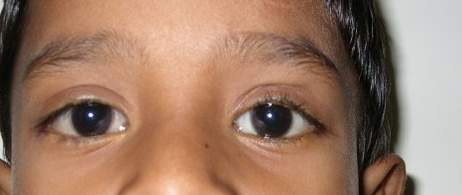
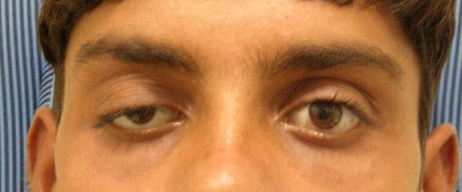
Ptosis — LPS Resection
Before and after ptosis surgery by LPS resection.
Specialist: Dr. Raman Mittal
About this treatmentBefore
After
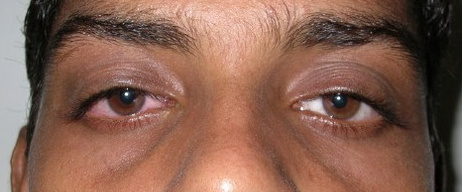
Ptosis — LPS Plication
Before and after ptosis surgery by LPS plication.
Specialist: Dr. Raman Mittal
About this treatmentBefore
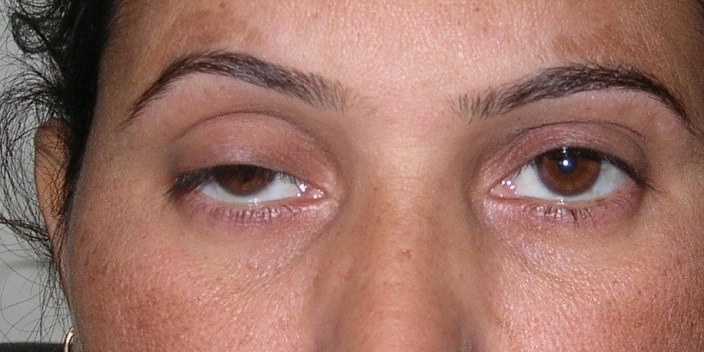
After

Show more cases
Ptosis — LPS Plication
Before and after ptosis surgery by LPS plication.
Specialist: Dr. Raman Mittal
About this treatmentBefore
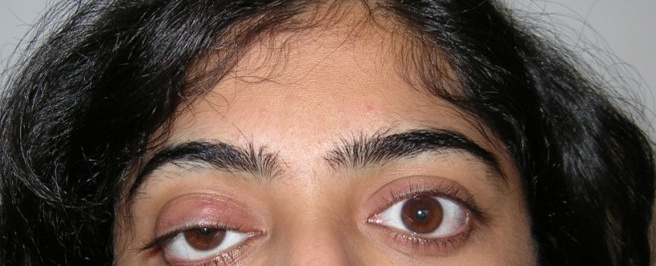
After

Ptosis — LPS Plication
Before and after ptosis surgery by LPS plication.
Specialist: Dr. Raman Mittal
About this treatmentBefore
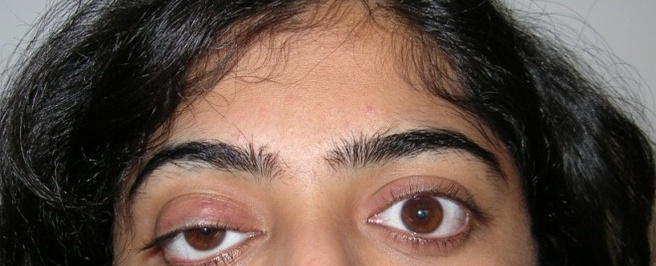
After

Bilateral Ptosis
Before and after surgery for drooping of both upper eyelids.
Specialist: Dr. Raman Mittal
About this treatmentBefore

After

Ptosis
Before and after ptosis surgery.
Specialist: Dr. Raman Mittal
About this treatmentBefore

After
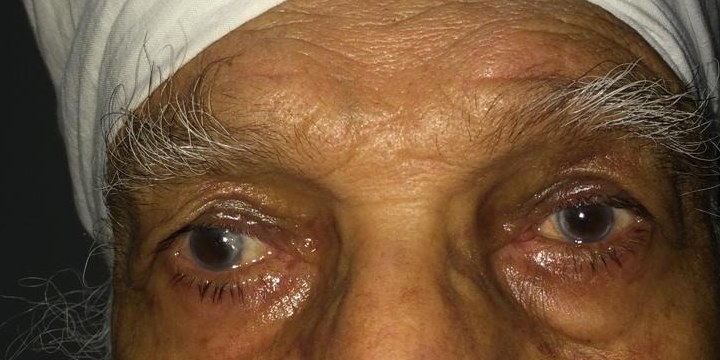
Results vary between patients. These photographs show individual cases and cannot predict the result for anyone else.
Considering this treatment?
Book a consultation to find out whether it is suitable for you.
What to expect
From first visit to follow-up.
- 01
Consultation
Tell the doctor what concerns you and ask your questions.
- 02
Examination & Planning
The doctor examines you and explains the options, including their limits.
- 03
Treatment
Carried out only if it is suitable for you and you decide to go ahead.
- 04
Follow-Up
Check-ups after treatment to review healing and any next steps.
FAQs
Common questions.
This can only be decided after a consultation and examination. The doctor will go through your concern, your medical history and the options available.
The doctor asks about your concern and medical history, examines you, and discusses what you hope to change and whether treatment is advisable.
Dr. Raman Mittal sees patients for this treatment at I·PLAST.
Yes. If treatment is planned, the doctor will explain aftercare, any activity restrictions and the follow-up visits you will need.
Not necessarily. Results depend on your anatomy, the examination findings, your general health and the procedure. Photographs of other patients show their results only.
No. The position, movement and strength of the eyelid have to be examined. Dr. Raman Mittal examines the eyelid before recommending any operation.
The corrected position usually holds, but eyelids can change over time. Some patients, particularly children operated on at a young age, need a further operation later.