
Eye & Oculoplastic Surgery
Artificial Eye / Custom Prosthesis
Socket assessment and custom-made artificial eyes (ocular prostheses).
Consult Dr. Raman Mittal ↗
View before & after photos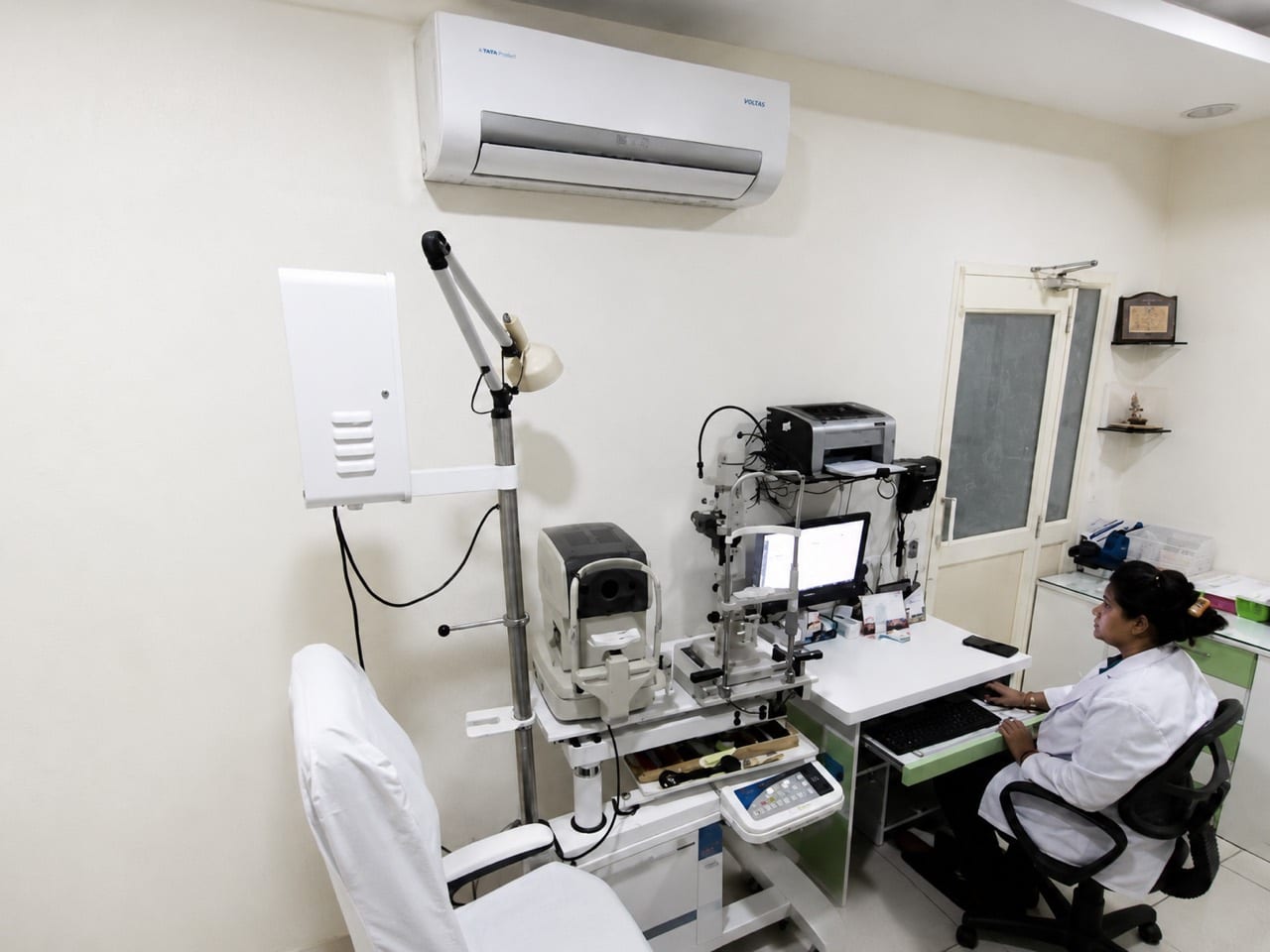 Illustrative image · not a patient result
Overview
About Artificial Eye
A custom artificial eye is made for the individual socket. Comfort, movement, appearance and how well it stays in place are all checked.
When to see a specialist
- 01Questions about a custom artificial eye
- 02Problems with comfort, fit or an eye that falls out
- 03A socket check before a new prosthesis
Whether treatment is suitable can only be decided after a consultation and examination.
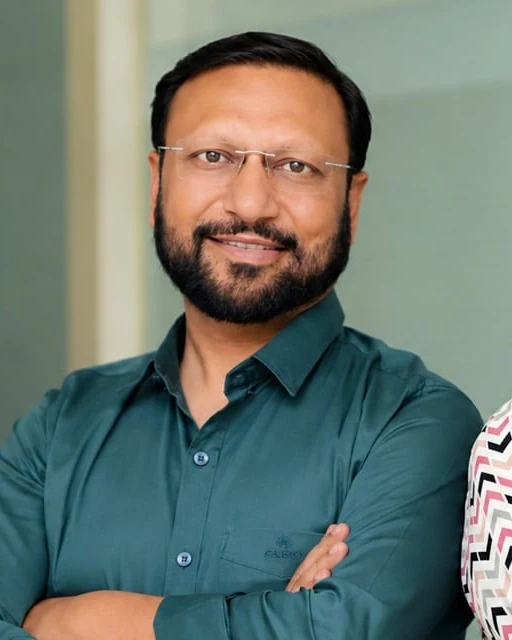
Your doctor
Dr. Raman Mittal
Ophthalmology • Oculoplastic Surgery
- MBBS
- DNB – Ophthalmology
- Fellowship in Oculoplasty
Ophthalmologist and oculoplastic surgeon. He treats problems of the eyelids, tear ducts, orbit and eye socket, including cosmetic and reconstructive surgery around the eye.
Your consultation
What happens at the consultation.
At the first visit the doctor listens to your concern, takes a medical history and examines you. Not everyone who comes for a consultation needs a procedure.
Treatment planning
How the plan is decided.
The plan depends on the condition of the socket, any previous treatment and how comfortable the current prosthesis is.
- 01
Your anatomy
- 02
Examination findings
- 03
What you want to change
- 04
General health
In detail
Artificial eyes: what to know.
What an artificial eye is
A custom artificial eye (ocular prosthesis) is made of acrylic, moulded to fit the individual socket, with the iris hand-painted to match the other eye.
- A full prosthesis is worn after an eye has been removed (enucleation or evisceration), or when a baby is born without an eye or with a very small eye.
- A thin cosmetic shell (scleral shell) can be worn over a blind, disfigured eye that is still in place.
How it is fitted
- After eye removal, a clear shell (conformer) is placed in the socket to keep its shape while it heals.
- A temporary eye is usually fitted after about three to six weeks.
- An impression of the socket is then taken for the custom eye, which is typically ready a few months after surgery.
Looking after it
- Some mucus from the socket is normal. Removing and washing the eye too often can increase it.
- Clean it as your clinic advises. Never use detergents, disinfectants or alcohol on it.
- Have it professionally polished regularly, roughly every 6 to 18 months, to remove scratches and deposits.
- An artificial eye usually needs replacing after a few years. Children need adjustment or replacement more often as they grow.
When to get it checked
- Redness, pain or a lot of discharge from the socket.
- The eye no longer fitting well, sitting deeper, or moving out of position.
- The eye falling out or becoming uncomfortable. This can be a sign that the socket has changed and needs assessment.
General information, checked against published guidance (September 2026). It does not replace an individual consultation; your doctor will advise on your own case.
Sources: Moorfields Eye Hospital NHS · Norfolk and Norwich University Hospitals NHS · NHS Lothian Artificial Eye Service · American Society of Ocularists · AAO: Eye removal
Before & After
Artificial Eye / Custom Prosthesis Results
Photographs of patients treated at I·PLAST, published with their consent. Results vary from patient to patient.
Custom Artificial Eye
Before and after fitting of a custom-made artificial eye.
Specialist: Dr. Raman Mittal
About this treatmentBefore
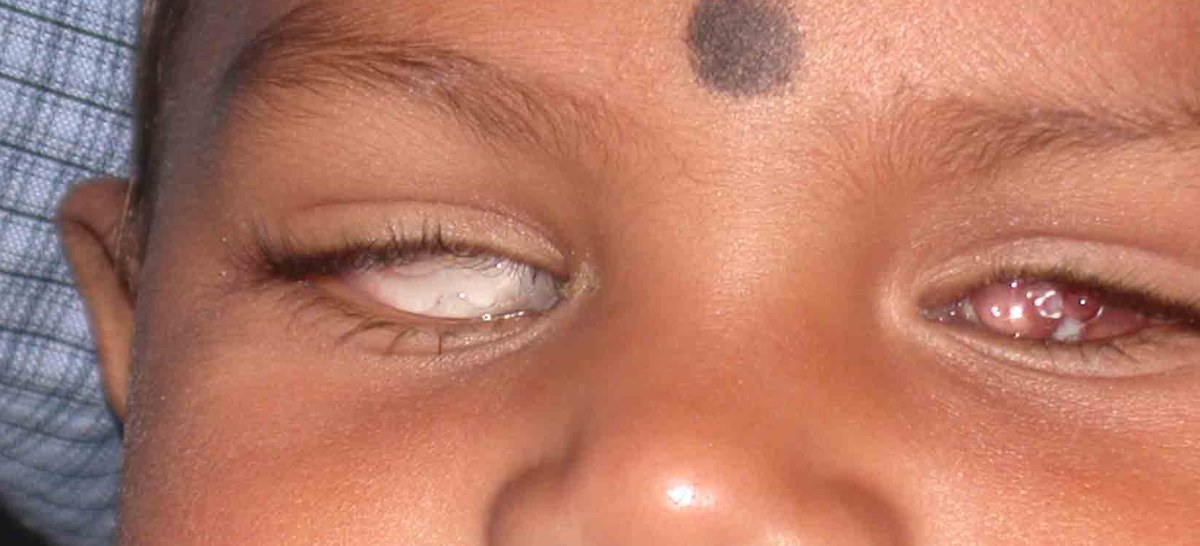
After
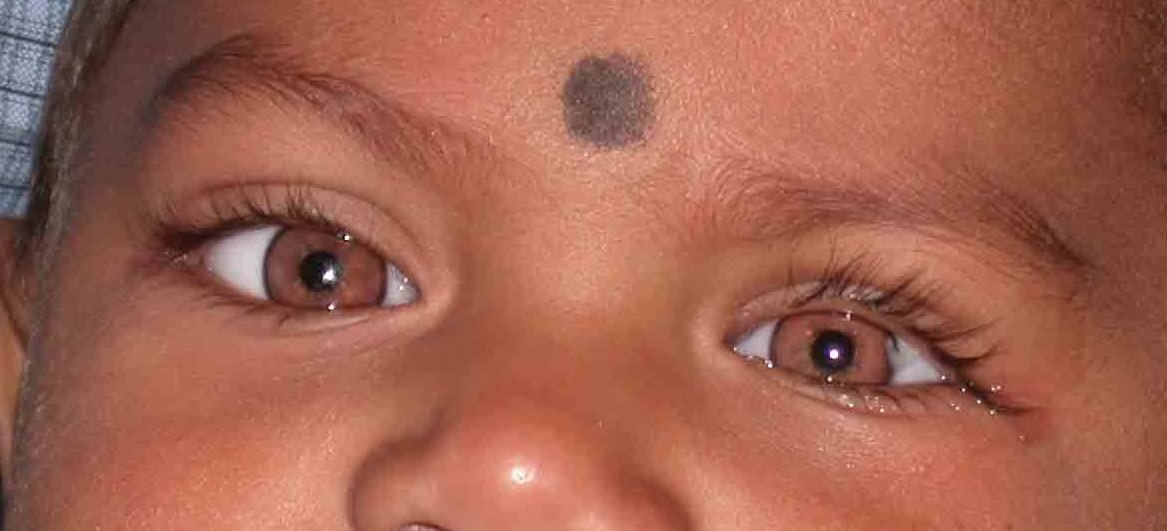
Custom Artificial Eye
Before and after fitting of a custom-made artificial eye.
Specialist: Dr. Raman Mittal
About this treatmentBefore

After
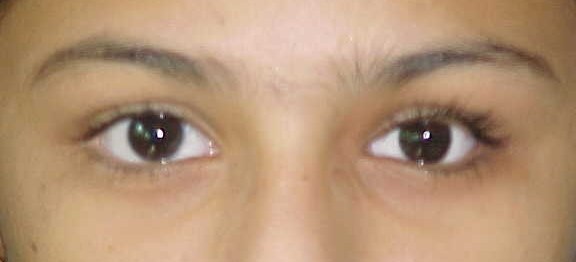
Results vary between patients. These photographs show individual cases and cannot predict the result for anyone else.
Considering this treatment?
Book a consultation to find out whether it is suitable for you.
What to expect
From first visit to follow-up.
- 01
Consultation
Tell the doctor what concerns you and ask your questions.
- 02
Examination & Planning
The doctor examines you and explains the options, including their limits.
- 03
Treatment
Carried out only if it is suitable for you and you decide to go ahead.
- 04
Follow-Up
Check-ups after treatment to review healing and any next steps.
FAQs
Common questions.
This can only be decided after a consultation and examination. The doctor will go through your concern, your medical history and the options available.
The doctor asks about your concern and medical history, examines you, and discusses what you hope to change and whether treatment is advisable.
Dr. Raman Mittal sees patients for this treatment at I·PLAST.
Yes. If treatment is planned, the doctor will explain aftercare, any activity restrictions and the follow-up visits you will need.
Not necessarily. Results depend on your anatomy, the examination findings, your general health and the procedure. Photographs of other patients show their results only.