
Ocular Oncology & Surface Disease
Retinoblastoma
Specialist follow-up for retinoblastoma, an eye cancer of early childhood, including artificial eye care after treatment.
Consult Dr. Raman Mittal ↗
View before & after photos Illustrative image · not a patient result
Overview
About Retinoblastoma
Retinoblastoma is a serious eye cancer of childhood and needs coordinated specialist care. If you are worried about a child’s eyes, seek medical assessment without delay.
When to see a specialist
- 01An existing diagnosis that needs specialist follow-up
- 02A referral from an ocular oncology team
- 03Questions about reconstruction or an artificial eye after treatment
Whether treatment is suitable can only be decided after a consultation and examination.
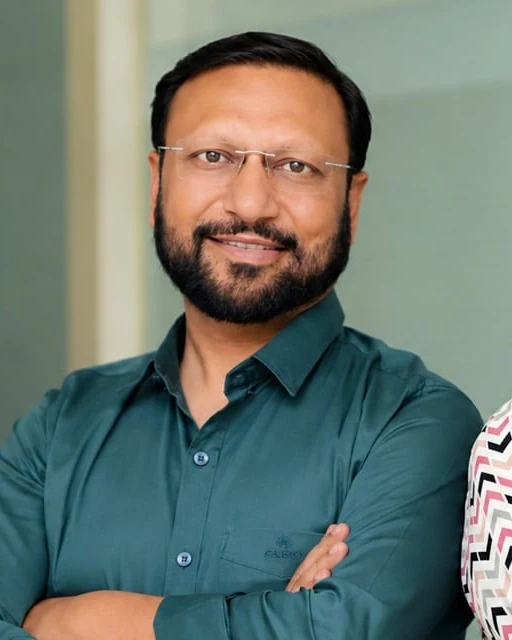
Your doctor
Dr. Raman Mittal
Ophthalmology • Oculoplastic Surgery
- MBBS
- DNB – Ophthalmology
- Fellowship in Oculoplasty
Ophthalmologist and oculoplastic surgeon. He treats problems of the eyelids, tear ducts, orbit and eye socket, including cosmetic and reconstructive surgery around the eye.
Your consultation
What happens at the consultation.
At the first visit the doctor listens to your concern, takes a medical history and examines you. Not everyone who comes for a consultation needs a procedure.
Treatment planning
How the plan is decided.
Care depends on the diagnosis, the findings and the child’s overall health, and is coordinated with the oncology team.
- 01
Your anatomy
- 02
Examination findings
- 03
What you want to change
- 04
General health
In detail
Retinoblastoma: what to know.
What it is
Retinoblastoma is a rare cancer of the retina, the light-sensitive layer at the back of the eye. It usually affects children under five.
- It is caused by a change in a gene called RB1. In about half of children the change is inherited, and these children often have tumours in both eyes.
See an eye specialist urgently if a child has a white glow in the pupil (often noticed in flash photographs), a new squint, a change in the colour of the iris, or poor vision.
Assessment and treatment
- Children are examined under anaesthetic, with scans of the eye and sometimes of the head.
- Treatment is given at specialist ocular oncology centres. Depending on the tumour, it may involve chemotherapy, laser, freezing treatment (cryotherapy), radiotherapy or removal of the eye (enucleation).
- Treatment aims to save life first and, where possible, the eye and its vision.
After eye removal
- An implant is placed in the socket at surgery. A few weeks later, a custom artificial eye is fitted, which looks and moves much like the other eye.
- The socket and artificial eye need regular review as the child grows.
Genetics and follow-up
- Families are offered genetic counselling. Brothers and sisters, and later the patient’s own children, may need testing and regular eye checks from birth.
- Follow-up is frequent at first and then spaced out. People with the inherited form have a higher risk of some other cancers later, so their follow-up continues for life.
How I·PLAST can help
Children with retinoblastoma are treated by specialist ocular oncology teams. At I·PLAST, Dr. Raman Mittal can see families for specialist review and for follow-up care, including care of the socket and artificial eye after treatment.
General information, checked against published guidance (September 2026). It does not replace an individual consultation; your doctor will advise on your own case.
Sources: NHS: Retinoblastoma · Children’s Cancer and Leukaemia Group · Childhood Eye Cancer Trust · American Cancer Society
Before & After
Retinoblastoma Results
Photographs of patients treated at I·PLAST, published with their consent. Results vary from patient to patient.
Retinoblastoma
Retina before and after treatment, as seen through the pupil.
Specialist: Dr. Raman Mittal
About this treatmentBefore

After
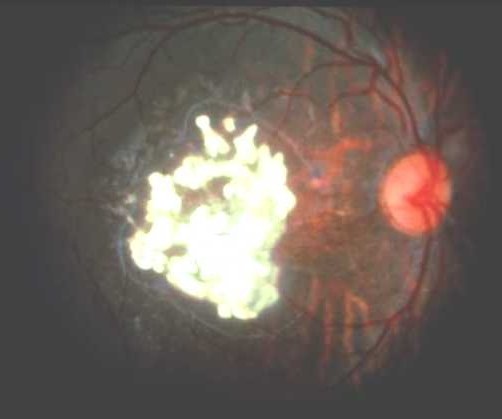
Results vary between patients. These photographs show individual cases and cannot predict the result for anyone else.
Considering this treatment?
Book a consultation to find out whether it is suitable for you.
What to expect
From first visit to follow-up.
- 01
Consultation
Tell the doctor what concerns you and ask your questions.
- 02
Examination & Planning
The doctor examines you and explains the options, including their limits.
- 03
Treatment
Carried out only if it is suitable for you and you decide to go ahead.
- 04
Follow-Up
Check-ups after treatment to review healing and any next steps.
FAQs
Common questions.
This can only be decided after a consultation and examination. The doctor will go through your concern, your medical history and the options available.
The doctor asks about your concern and medical history, examines you, and discusses what you hope to change and whether treatment is advisable.
Dr. Raman Mittal sees patients for this treatment at I·PLAST.
Yes. If treatment is planned, the doctor will explain aftercare, any activity restrictions and the follow-up visits you will need.
Not necessarily. Results depend on your anatomy, the examination findings, your general health and the procedure. Photographs of other patients show their results only.