
Eye & Oculoplastic Surgery
Watering Eye / Lacrimal Surgery
Surgery on the tear drainage system for an eye that keeps watering.
Consult Dr. Raman Mittal ↗
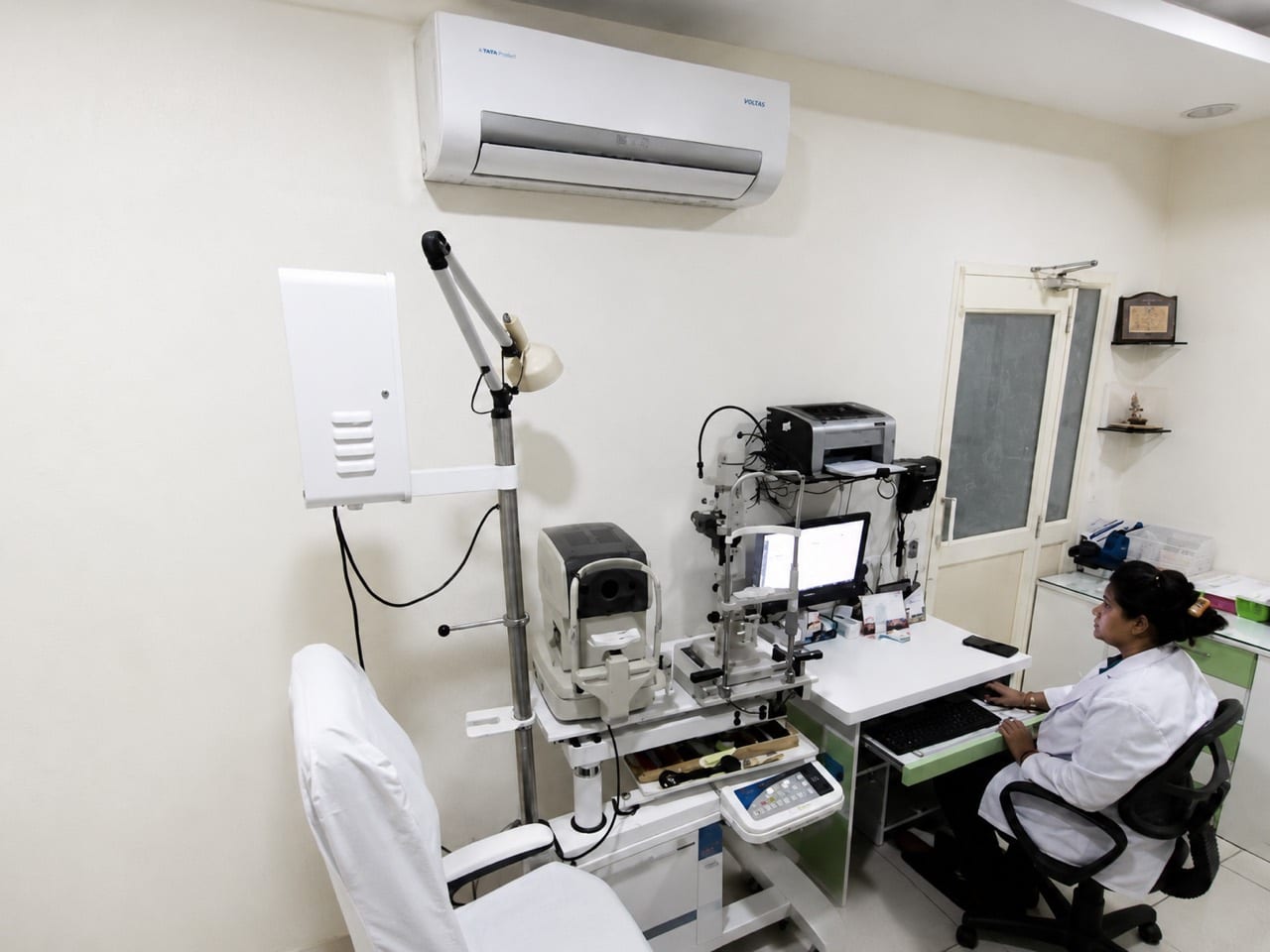 Illustrative image · not a patient result
Overview
About Watering Eye & Lacrimal Surgery
A watering eye can be caused by extra tear production, an eyelid problem or a blockage in the tear drainage system. The examination finds out which applies before surgery is considered.
When to see a specialist
- 01Persistent watering from one or both eyes
- 02A known blocked tear duct
- 03Symptoms that keep coming back
Whether treatment is suitable can only be decided after a consultation and examination.

Your doctor
Dr. Raman Mittal
Ophthalmology • Oculoplastic Surgery
- MBBS
- DNB – Ophthalmology
- Fellowship in Oculoplasty
Ophthalmologist and oculoplastic surgeon. He treats problems of the eyelids, tear ducts, orbit and eye socket, including cosmetic and reconstructive surgery around the eye.
Your consultation
What happens at the consultation.
At the first visit the doctor listens to your concern, takes a medical history and examines you. Not everyone who comes for a consultation needs a procedure.
Treatment planning
How the plan is decided.
Treatment depends on your history, the examination and which part of the tear drainage system is affected.
- 01
Your anatomy
- 02
Examination findings
- 03
What you want to change
- 04
General health
Techniques
- Procedures include CDCR with a Jones tube and trephinisation with a stent, where the examination supports them.
In detail
Tear duct surgery: what to know.
When surgery is considered
Surgery on the tear drainage system is considered when an eye waters because of a blockage that is unlikely to clear by itself.
- Persistent watering from a blocked tear duct, confirmed on examination and syringing.
- Repeated infections of the tear sac (dacryocystitis).
- Badly damaged or blocked tear canals, or a weak tear pump after facial palsy.
A painful, red swelling at the inner corner of the eye can be an infected tear sac. Seek urgent attention if the redness spreads, moving the eye hurts or vision changes.
Types of operation
- External DCR (dacryocystorhinostomy): a new drainage route from the tear sac into the nose, made through a small cut at the side of the nose.
- Endoscopic DCR: the same new route, made from inside the nose, with no skin cut.
- CDCR with a Jones tube: when the small tear canals cannot be repaired, a small glass tube is placed from the inner corner of the eye into the nose. The tube is permanent.
The operation
- Usually under general anaesthetic, occasionally local. A DCR takes about an hour.
- A thin silicone tube is often left in the new passage while it heals, and removed in clinic a few weeks later.
- Some patients go home the same day; others stay one night.
Recovery
- Eyelid swelling and bruising usually settle within two to four weeks.
- Minor nosebleeds are common at first. Avoid blowing your nose for about 7 to 10 days, and avoid strenuous activity and swimming for about two weeks.
- Skin stitches after external DCR are removed after 7 to 10 days. The silicone tube is removed after about six to eight weeks, and the eye may keep watering until then.
Living with a Jones tube
- The tube needs occasional cleaning in clinic.
- It can move or come out, and adjustment or replacement over the years is fairly common.
Risks
Every operation carries some risk. Your doctor will go through the risks that apply to you before you decide.
- Nosebleeds and infection.
- The silicone tube can slip out of place.
- The new passage can scar over and the watering can return. A repeat operation is sometimes needed.
- After external DCR, a small scar beside the nose, which usually becomes hard to see after a few months.
General information, checked against published guidance (September 2026). It does not replace an individual consultation; your doctor will advise on your own case.
Sources: EyeWiki (AAO): Dacryocystorhinostomy · EyeWiki (AAO): Jones tube (CDCR) · EyeWiki (AAO): Dacryocystitis · Cambridge University Hospitals NHS: DCR · Hull University Teaching Hospitals NHS: DCR
What to expect
From first visit to follow-up.
- 01
Consultation
Tell the doctor what concerns you and ask your questions.
- 02
Examination & Planning
The doctor examines you and explains the options, including their limits.
- 03
Treatment
Carried out only if it is suitable for you and you decide to go ahead.
- 04
Follow-Up
Check-ups after treatment to review healing and any next steps.
FAQs
Common questions.
This can only be decided after a consultation and examination. The doctor will go through your concern, your medical history and the options available.
The doctor asks about your concern and medical history, examines you, and discusses what you hope to change and whether treatment is advisable.
Dr. Raman Mittal sees patients for this treatment at I·PLAST.
Yes. If treatment is planned, the doctor will explain aftercare, any activity restrictions and the follow-up visits you will need.
Not necessarily. Results depend on your anatomy, the examination findings, your general health and the procedure. Photographs of other patients show their results only.