
Ocular Oncology & Surface Disease
Ocular Surface Squamous Neoplasia / OSSN
Assessment and treatment of ocular surface squamous neoplasia (OSSN), a growth on the surface of the eye.
Consult Dr. Raman Mittal ↗
View before & after photos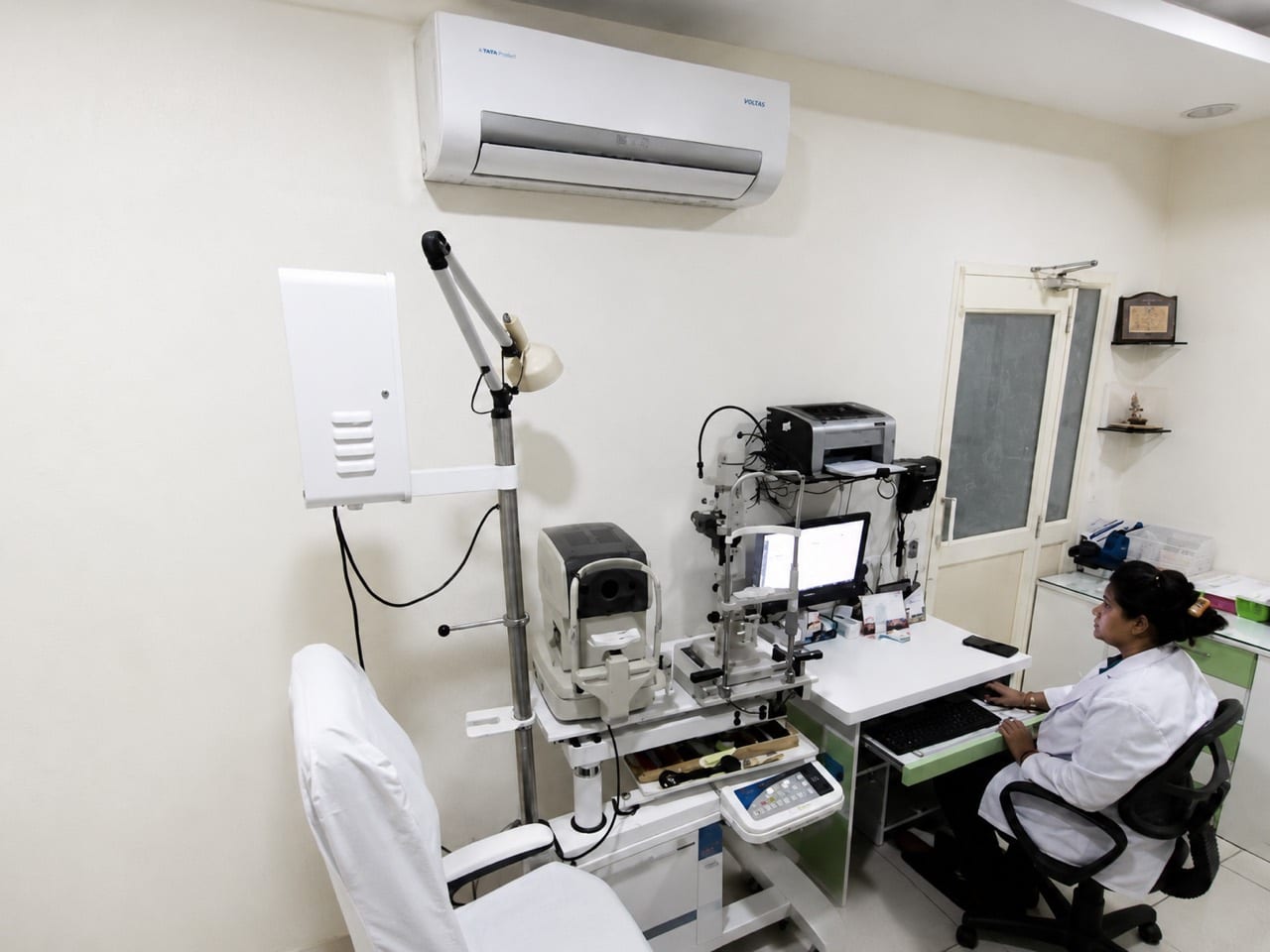 Illustrative image · not a patient result
Overview
About OSSN
OSSN is a growth of the surface tissue of the eye. It cannot be diagnosed from a website; an eye examination is needed.
When to see a specialist
- 01A diagnosed or suspected growth on the surface of the eye
- 02A changing growth referred for assessment
- 03Follow-up after treatment
Whether treatment is suitable can only be decided after a consultation and examination.

Your doctor
Dr. Raman Mittal
Ophthalmology • Oculoplastic Surgery
- MBBS
- DNB – Ophthalmology
- Fellowship in Oculoplasty
Ophthalmologist and oculoplastic surgeon. He treats problems of the eyelids, tear ducts, orbit and eye socket, including cosmetic and reconstructive surgery around the eye.
Your consultation
What happens at the consultation.
At the first visit the doctor listens to your concern, takes a medical history and examines you. Not everyone who comes for a consultation needs a procedure.
Treatment planning
How the plan is decided.
Treatment depends on the examination, the features of the growth and any tests.
- 01
Your anatomy
- 02
Examination findings
- 03
What you want to change
- 04
General health
In detail
OSSN: what to know.
What OSSN is
Ocular surface squamous neoplasia (OSSN) covers a range of abnormal growths of the surface cells of the eye, from early changes confined to the surface to invasive cancer.
- Risk factors include long-term sun (UV) exposure, HIV infection, human papillomavirus (HPV), smoking and a weakened immune system.
- It usually appears as a grey-white, jelly-like or white patch where the cornea meets the white of the eye, often with prominent blood vessels.
Have any new or growing patch on the surface of the eye examined, particularly a white or fleshy patch at the edge of the cornea.
How it is diagnosed
- Examination with special dyes and imaging of the eye surface.
- Sampling of surface cells (impression cytology) or a biopsy.
Treatment options
- Surgery: the growth is removed with a margin of healthy tissue using a “no-touch” technique, and freezing treatment (cryotherapy) is applied to the edges.
- Chemotherapy eye drops, such as mitomycin C, 5-fluorouracil or interferon, used in cycles over several weeks. They can treat larger areas and disease not visible to the eye.
- The approach depends on the size and position of the growth and may combine drops and surgery.
Side effects and follow-up
- Chemotherapy drops can cause stinging, redness and irritation. Surgery can cause scarring of the eye surface.
- OSSN can come back, even after complete removal, so long-term follow-up is needed.
General information, checked against published guidance (September 2026). It does not replace an individual consultation; your doctor will advise on your own case.
Sources: EyeWiki (AAO): OSSN · AAO EyeNet: Topical chemotherapy for OSSN
Before & After
Ocular Surface Squamous Neoplasia / OSSN Results
Photographs of patients treated at I·PLAST, published with their consent. Results vary from patient to patient.
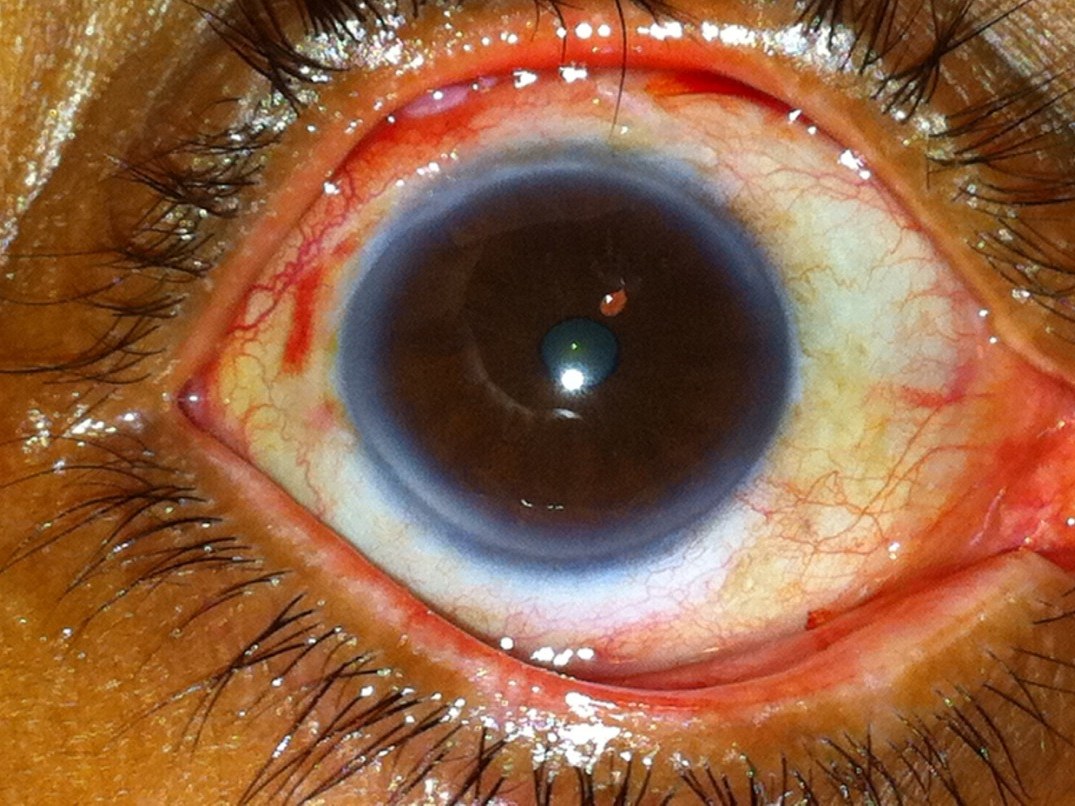
OSSN
Before and after treatment of ocular surface squamous neoplasia.
Specialist: Dr. Raman Mittal
About this treatmentBefore

After
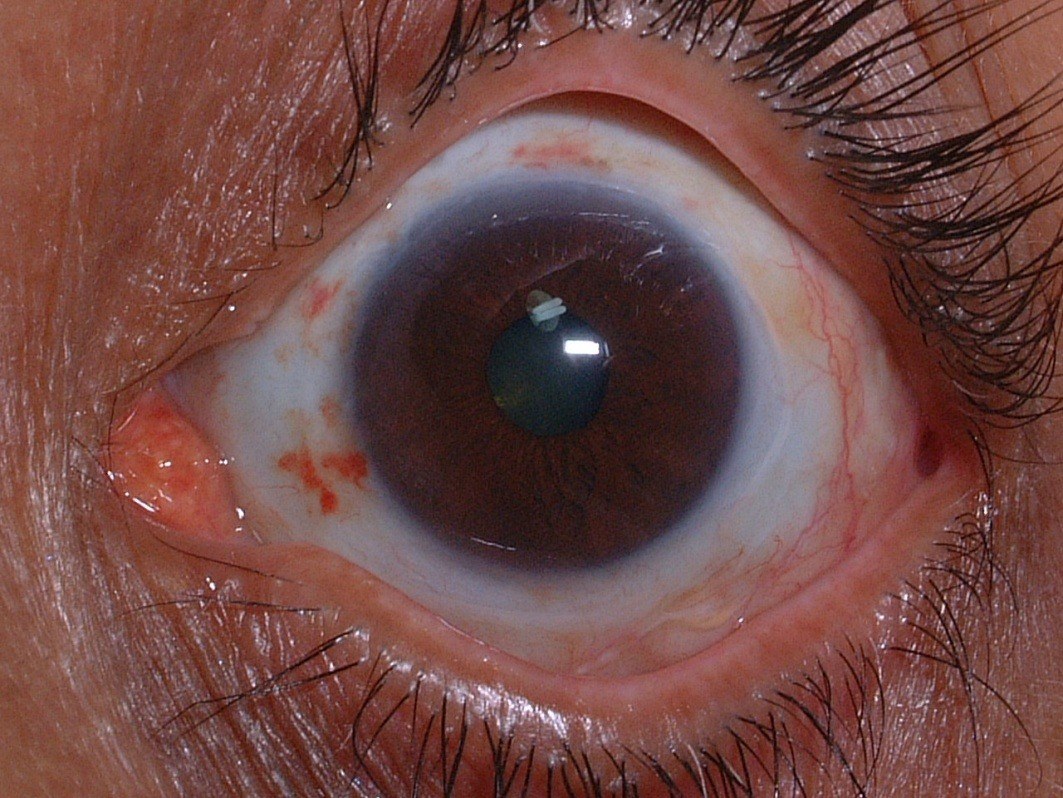
OSSN
Before and after treatment of ocular surface squamous neoplasia.
Specialist: Dr. Raman Mittal
About this treatmentBefore

After
OSSN — Excision with Limbal Stem Cell Transplant
Before and after OSSN excision with a limbal stem cell transplant.
Specialist: Dr. Raman Mittal
About this treatmentBefore

After
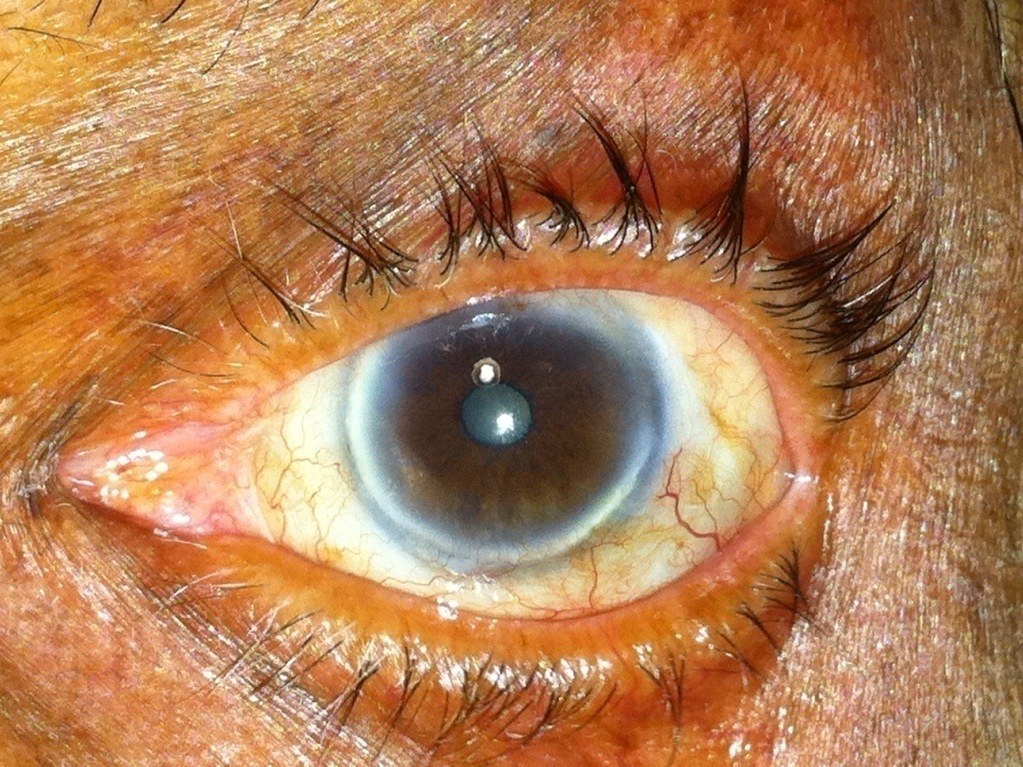
Results vary between patients. These photographs show individual cases and cannot predict the result for anyone else.
Considering this treatment?
Book a consultation to find out whether it is suitable for you.
What to expect
From first visit to follow-up.
- 01
Consultation
Tell the doctor what concerns you and ask your questions.
- 02
Examination & Planning
The doctor examines you and explains the options, including their limits.
- 03
Treatment
Carried out only if it is suitable for you and you decide to go ahead.
- 04
Follow-Up
Check-ups after treatment to review healing and any next steps.
FAQs
Common questions.
This can only be decided after a consultation and examination. The doctor will go through your concern, your medical history and the options available.
The doctor asks about your concern and medical history, examines you, and discusses what you hope to change and whether treatment is advisable.
Dr. Raman Mittal sees patients for this treatment at I·PLAST.
Yes. If treatment is planned, the doctor will explain aftercare, any activity restrictions and the follow-up visits you will need.
Not necessarily. Results depend on your anatomy, the examination findings, your general health and the procedure. Photographs of other patients show their results only.