
Hair Restoration
Hair Transplant
Hair transplant surgery for hair loss. The scalp and donor area are assessed before any procedure is advised.
Consult Dr. Seema Mittal ↗
View before & after photos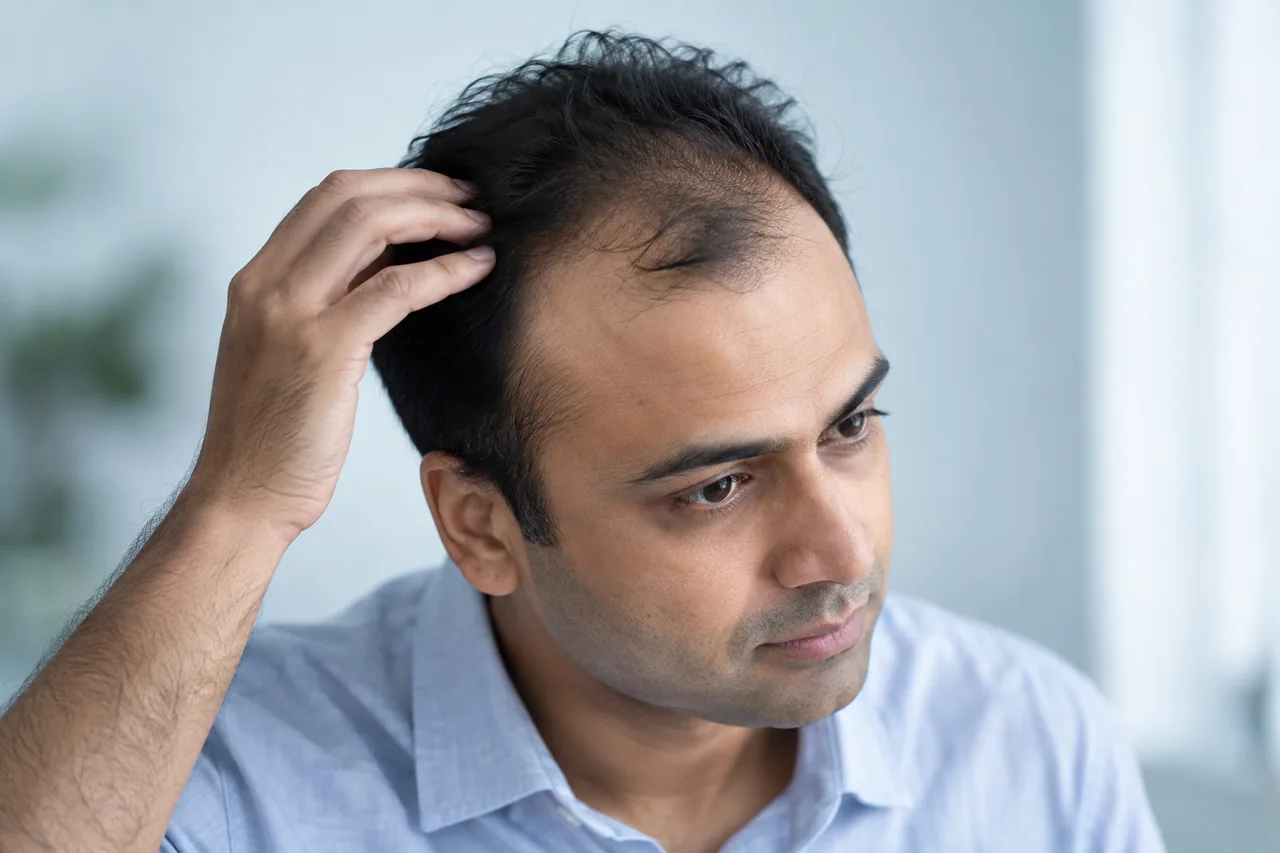 Illustrative image · not a patient result
Overview
About Hair Transplant
Hair loss varies in pattern and cause from person to person. At the consultation the doctor looks at your scalp, your hair and the donor area, and asks what you would like to achieve.
When to see a specialist
- 01A persistent concern about hair loss or a changing hairline
- 02Questions about the donor area
- 03Wanting to know whether a hair transplant is suitable
Whether treatment is suitable can only be decided after a consultation and examination.

Your doctor
Dr. Seema Mittal
Plastic • Cosmetic • Reconstructive Surgery
- MBBS
- DNB – General Surgery
- DNB – Plastic Surgery
Plastic surgeon. She sees patients for cosmetic and reconstructive surgery of the face, breast and body, and for hair transplant.
Your consultation
What happens at the consultation.
At the first visit the doctor listens to your concern, takes a medical history and examines you. Not everyone who comes for a consultation needs a procedure.
Treatment planning
How the plan is decided.
The plan depends on your pattern of hair loss, the donor area, your hair type and your general health. The doctor will explain what a transplant can and cannot do in your case.
- 01
Your anatomy
- 02
Examination findings
- 03
What you want to change
- 04
General health
In detail
Hair transplant: what to know.
What a hair transplant can and cannot do
A hair transplant moves hair follicles from the back of the head (the donor area) to areas that are thinning or bald.
- It works best for inherited (pattern) hair loss. It is not suitable for alopecia areata.
- It does not stop further hair loss. Medicines may be advised to slow ongoing loss; otherwise the result can look patchy as the surrounding hair continues to thin.
Who it may suit
- People with enough healthy hair in the donor area, and a thinning area that can still grow hair.
- People whose hair loss has stabilised. In young men, future hair loss is hard to predict, so medicine may be advised first and surgery delayed.
- People with realistic expectations about density and coverage.
Techniques
- FUT (strip method): a narrow strip of scalp is removed from the back of the head and divided into small grafts. It leaves one fine line of scar, usually hidden by the surrounding hair, and the head does not need to be shaved.
- FUE: individual groups of follicles are removed with a tiny punch. The donor area usually needs to be shaved, and it leaves many small dot scars instead of a line.
The procedure
- Done under local anaesthetic, sometimes with sedation, so you are awake.
- It usually takes most of a day (about four to eight hours), and you go home the same day.
- Larger areas may need more than one session.
Recovery and hair growth
- Bandages come off after a few days, and gentle hair washing starts after about a week. FUT stitches are removed after 10 to 14 days, and FUE scabs clear in one to two weeks.
- Most people take one to two weeks off work.
- The transplanted hairs usually fall out within the first few weeks. This is expected: new growth starts at around three to four months.
- Most people see the result between six and twelve months, and the full result can take up to 18 months.
Risks
Every operation carries some risk. Your doctor will go through the risks that apply to you before you decide.
- Tightness, swelling and scabbing of the scalp.
- Bleeding, infection or small cysts.
- Some grafts not growing, or scarring that is more visible than expected.
- Temporary shedding of your existing hair near the treated area (shock loss).
General information, checked against published guidance (September 2026). It does not replace an individual consultation; your doctor will advise on your own case.
Sources: NHS: Hair transplant · American Academy of Dermatology · ISHRS: FUE · ISHRS: FUT
Before & After
Hair Transplant Results
Photographs of patients treated at I·PLAST, published with their consent. Results vary from patient to patient.
Hair Transplant
Before and after hair transplant.
Specialist: Dr. Seema Mittal
About this treatmentBefore

After

Beard Hair Transplant
Before and after beard hair transplant.
Specialist: Dr. Seema Mittal
About this treatmentBefore
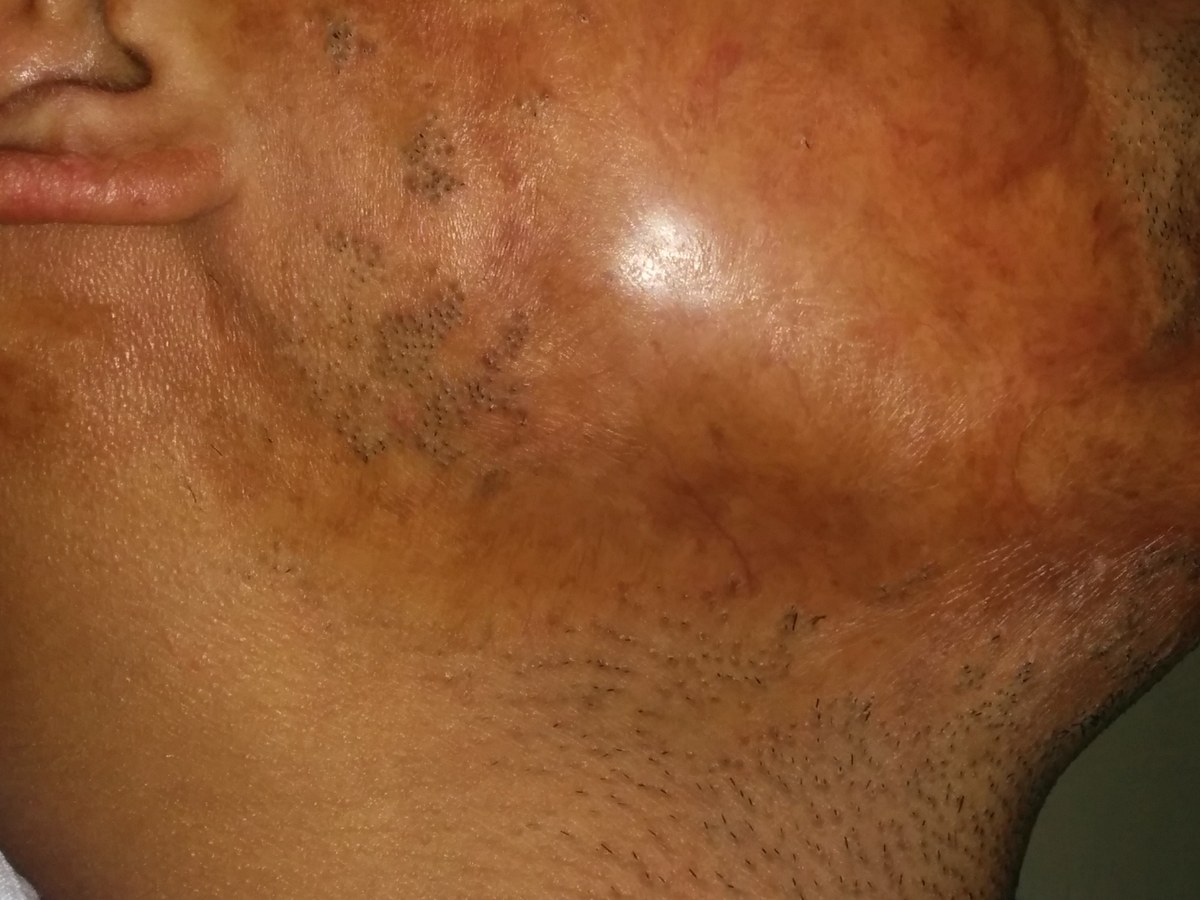
After

Hair Transplant
Before and after hair transplant.
Specialist: Dr. Seema Mittal
About this treatmentBefore
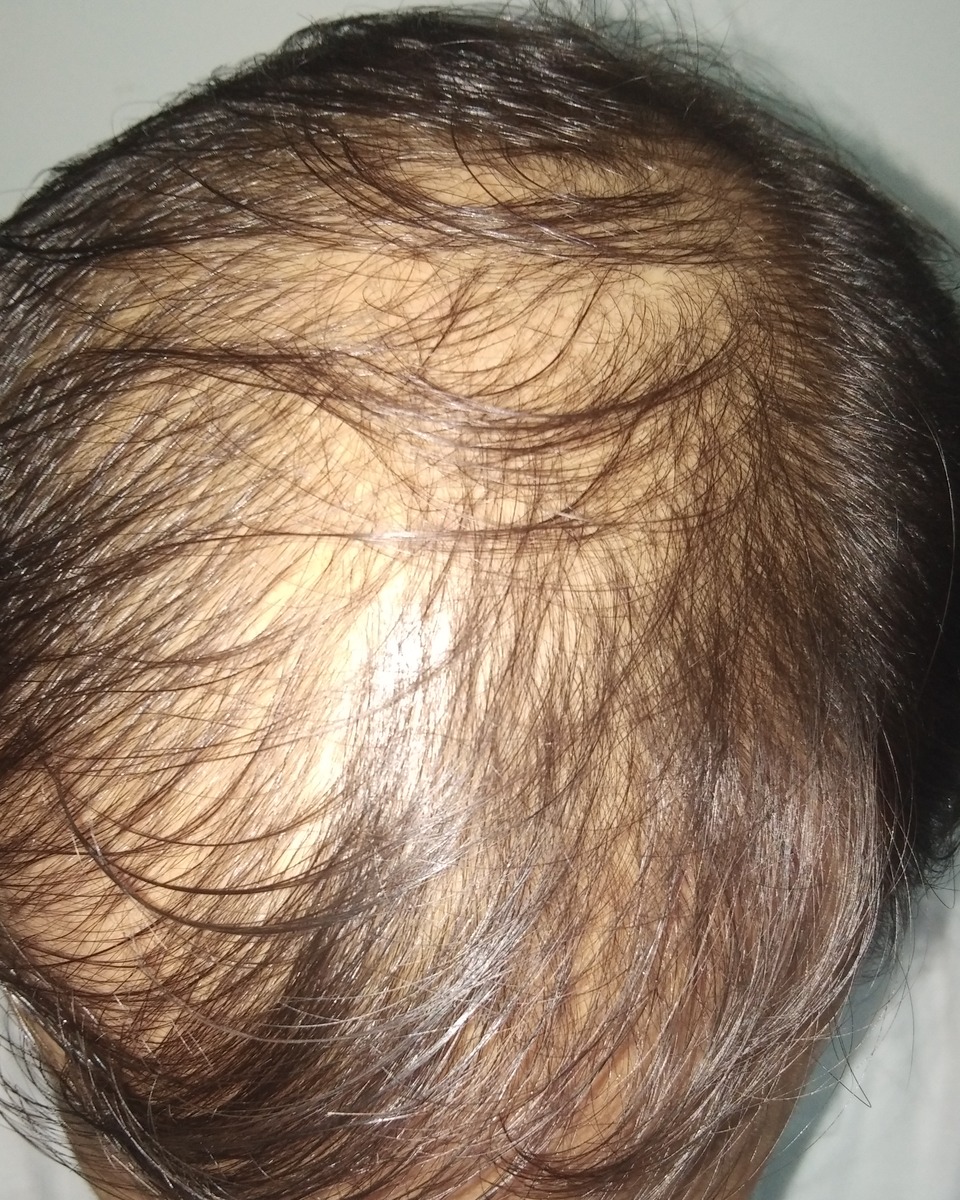
After

Show more cases
Eyebrow Hair Transplant
Before and after eyebrow hair transplant. The eyes are blurred for privacy.
Specialist: Dr. Seema Mittal
About this treatmentBefore
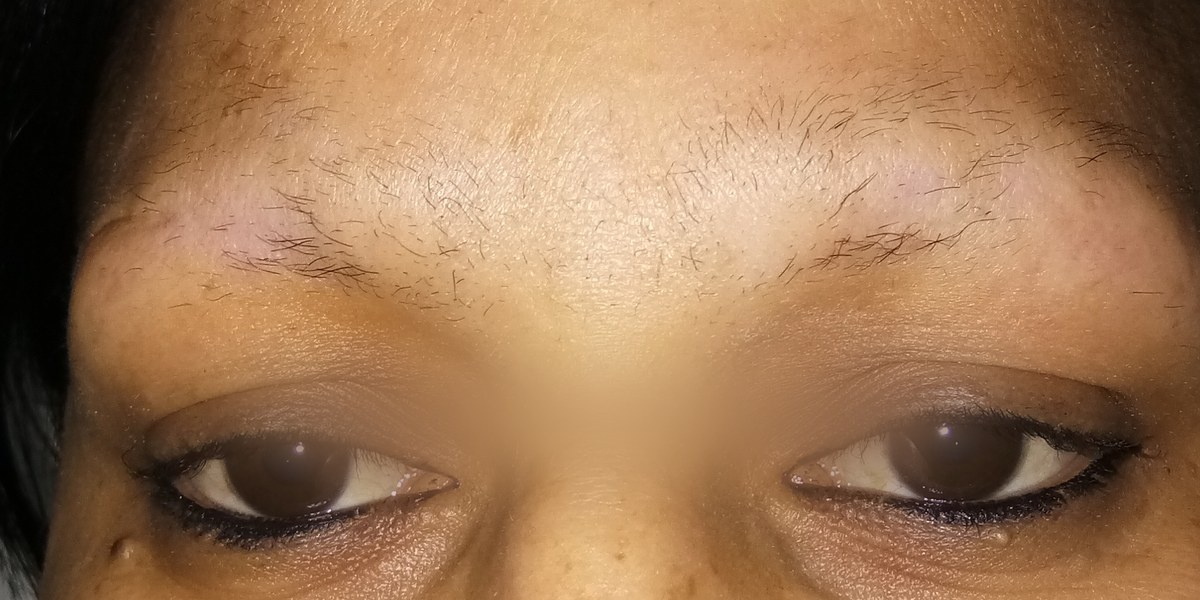
After

Results vary between patients. These photographs show individual cases and cannot predict the result for anyone else.
Considering this treatment?
Book a consultation to find out whether it is suitable for you.
What to expect
From first visit to follow-up.
- 01
Consultation
Tell the doctor what concerns you and ask your questions.
- 02
Examination & Planning
The doctor examines you and explains the options, including their limits.
- 03
Treatment
Carried out only if it is suitable for you and you decide to go ahead.
- 04
Follow-Up
Check-ups after treatment to review healing and any next steps.
FAQs
Common questions.
This can only be decided after a consultation and examination. The doctor will go through your concern, your medical history and the options available.
The doctor asks about your concern and medical history, examines you, and discusses what you hope to change and whether treatment is advisable.
Dr. Seema Mittal sees patients for this treatment at I·PLAST.
Yes. If treatment is planned, the doctor will explain aftercare, any activity restrictions and the follow-up visits you will need.
Not necessarily. Results depend on your anatomy, the examination findings, your general health and the procedure. Photographs of other patients show their results only.
Yes. The consultation starts with your hair loss, your scalp and hair, and what you would like to achieve. Coming for a consultation does not commit you to a transplant.
Related care