
Eye & Oculoplastic Surgery
Pterygium
Surgery for pterygium, a fleshy growth on the white of the eye that can extend onto the cornea.
Consult Dr. Raman Mittal ↗
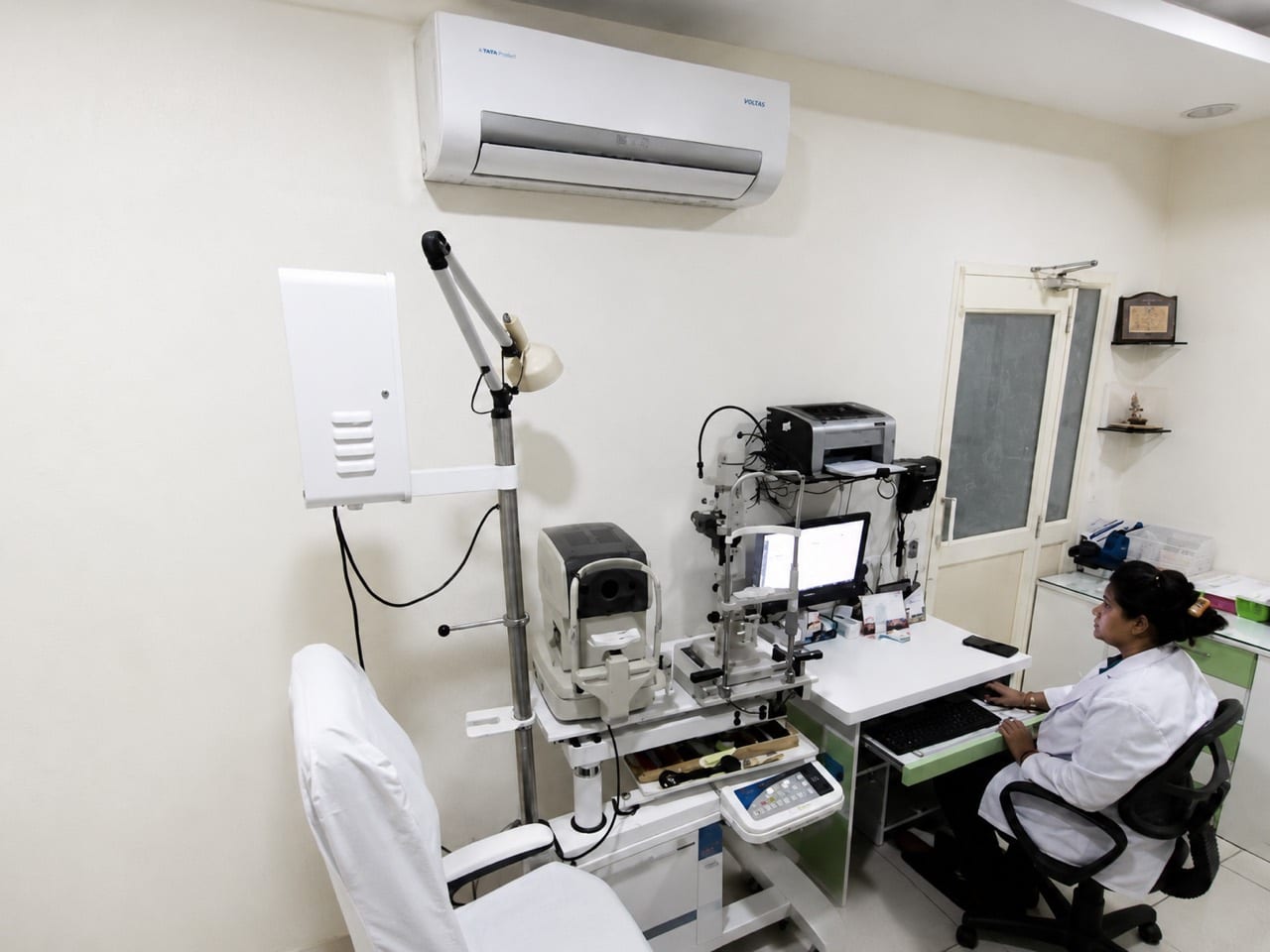 Illustrative image · not a patient result
Overview
About Pterygium
A pterygium can cause irritation and redness, and can affect vision if it grows onto the cornea. Some can be observed; others need surgery.
When to see a specialist
- 01A diagnosed or suspected pterygium
- 02Irritation or a visible growth on the eye
- 03A change in comfort or vision
Whether treatment is suitable can only be decided after a consultation and examination.

Your doctor
Dr. Raman Mittal
Ophthalmology • Oculoplastic Surgery
- MBBS
- DNB – Ophthalmology
- Fellowship in Oculoplasty
Ophthalmologist and oculoplastic surgeon. He treats problems of the eyelids, tear ducts, orbit and eye socket, including cosmetic and reconstructive surgery around the eye.
Your consultation
What happens at the consultation.
At the first visit the doctor listens to your concern, takes a medical history and examines you. Not everyone who comes for a consultation needs a procedure.
Treatment planning
How the plan is decided.
Treatment depends on your symptoms, the size of the growth and the examination findings.
- 01
Your anatomy
- 02
Examination findings
- 03
What you want to change
- 04
General health
Techniques
- Surgery using CLAG with tissue glue is one technique used, depending on the examination.
In detail
Pterygium: what to know.
What a pterygium is
A pterygium is a harmless, fleshy, wedge-shaped growth of the clear lining of the eye (conjunctiva) onto the cornea, usually on the side nearer the nose.
- It is linked to sunlight (UV), dust, wind and hot, dry climates.
- It can cause redness, grittiness and blurred vision, or no symptoms at all. It can also change the shape of the cornea (astigmatism).
- UV-protective wraparound sunglasses and a wide-brimmed hat help protect the eyes.
When surgery is considered
- Drops can ease irritation, but only surgery removes a pterygium.
- Surgery is considered when it causes persistent symptoms, affects vision or the shape of the cornea, keeps growing, restricts eye movement, or bothers you cosmetically.
The operation
- The pterygium is removed, and the bare area is covered with a thin graft of your own conjunctiva, usually taken from under the upper eyelid.
- In a conjunctival-limbal autograft (CLAG), the graft includes tissue from the edge of the cornea, which helps act as a barrier to regrowth.
- The graft is held with tissue glue, dissolvable stitches, or both.
- Usually done under local anaesthetic as a day case.
Recovery
- The eye is padded overnight, and antibiotic and steroid drops are used afterwards.
- The eye is sore and sensitive to light for a few days and much better by about a week. Redness can take three to four weeks to fade.
- Most people take about a week off work, longer in dusty jobs. Avoid swimming until your follow-up visit.
Risks
Every operation carries some risk. Your doctor will go through the risks that apply to you before you decide.
- The pterygium can grow back, most often within the first year.
- Infection, prolonged inflammation, a faint scar on the cornea or a change in glasses prescription.
- Rarely, scarring that affects eye movement and causes double vision.
General information, checked against published guidance (September 2026). It does not replace an individual consultation; your doctor will advise on your own case.
Sources: EyeWiki (AAO): Pterygium · Moorfields Eye Hospital NHS · Leeds Teaching Hospitals NHS · Oman Journal of Ophthalmology: CLAG
What to expect
From first visit to follow-up.
- 01
Consultation
Tell the doctor what concerns you and ask your questions.
- 02
Examination & Planning
The doctor examines you and explains the options, including their limits.
- 03
Treatment
Carried out only if it is suitable for you and you decide to go ahead.
- 04
Follow-Up
Check-ups after treatment to review healing and any next steps.
FAQs
Common questions.
This can only be decided after a consultation and examination. The doctor will go through your concern, your medical history and the options available.
The doctor asks about your concern and medical history, examines you, and discusses what you hope to change and whether treatment is advisable.
Dr. Raman Mittal sees patients for this treatment at I·PLAST.
Yes. If treatment is planned, the doctor will explain aftercare, any activity restrictions and the follow-up visits you will need.
Not necessarily. Results depend on your anatomy, the examination findings, your general health and the procedure. Photographs of other patients show their results only.