
Eye & Oculoplastic Surgery
Thyroid Eye Disease
Assessment and treatment of eye and eyelid changes caused by thyroid eye disease.
Consult Dr. Raman Mittal ↗
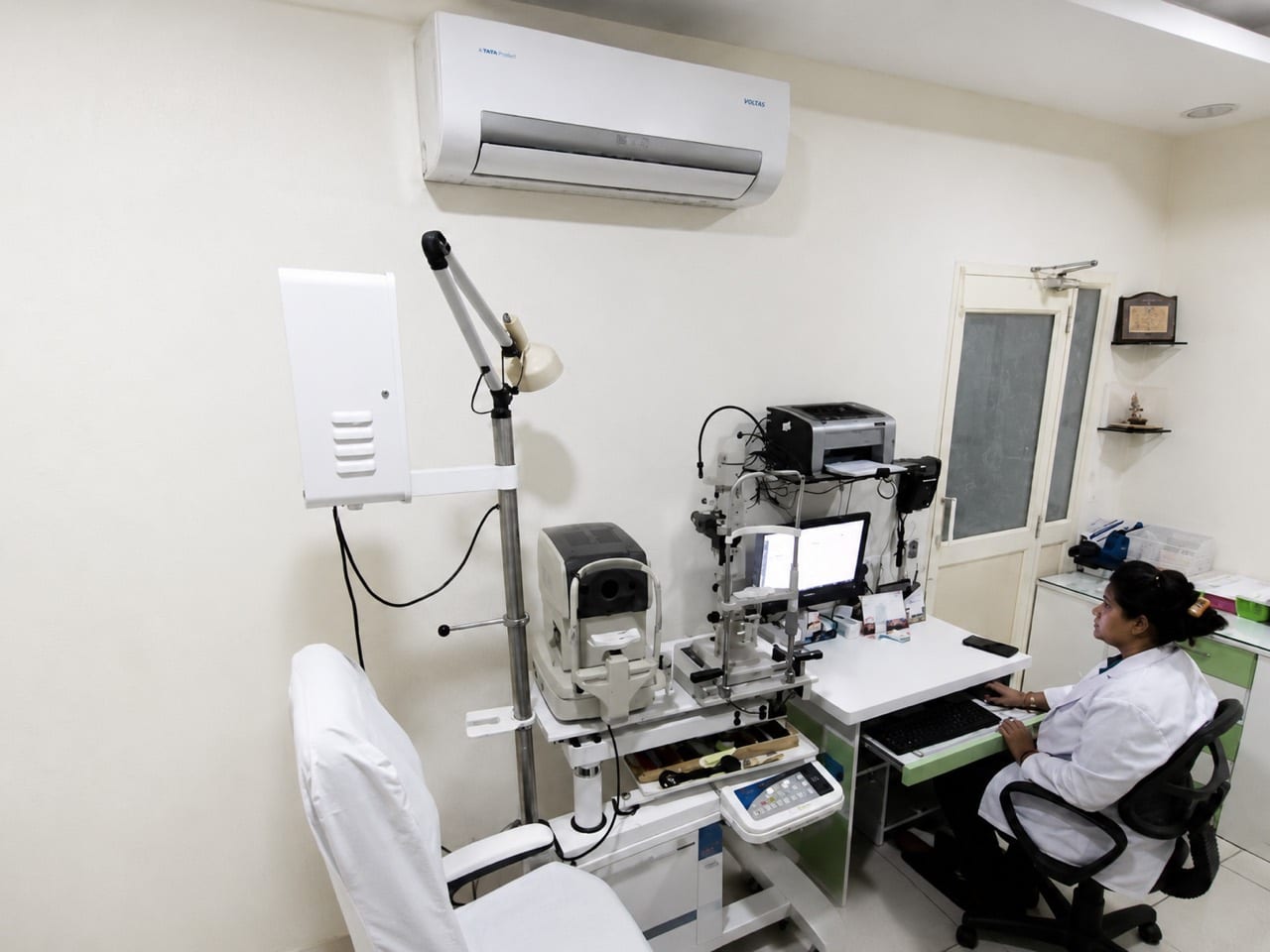 Illustrative image · not a patient result
Overview
About Thyroid Eye Disease
Thyroid eye disease can affect the eyelids, the surface of the eye and the tissues around it. It varies a great deal between patients.
When to see a specialist
- 01A thyroid condition with changes in the eyes or eyelids
- 02Prominent eyes, lid retraction, discomfort or double vision
- 03A referral for oculoplastic or orbital assessment
Whether treatment is suitable can only be decided after a consultation and examination.

Your doctor
Dr. Raman Mittal
Ophthalmology • Oculoplastic Surgery
- MBBS
- DNB – Ophthalmology
- Fellowship in Oculoplasty
Ophthalmologist and oculoplastic surgeon. He treats problems of the eyelids, tear ducts, orbit and eye socket, including cosmetic and reconstructive surgery around the eye.
Your consultation
What happens at the consultation.
At the first visit the doctor listens to your concern, takes a medical history and examines you. Not everyone who comes for a consultation needs a procedure.
Treatment planning
How the plan is decided.
Not every patient needs surgery. Treatment depends on whether the disease is active, the eye findings and your thyroid treatment.
- 01
Your anatomy
- 02
Examination findings
- 03
What you want to change
- 04
General health
In detail
Thyroid eye disease: what to know.
What it is
Thyroid eye disease is an autoimmune condition in which the tissues around and behind the eye become inflamed and swollen.
- Most people with it have an overactive thyroid, but it can also occur when thyroid levels are normal or low.
- It has an active phase, usually lasting about 6 to 18 months, after which it settles.
- Smoking is the strongest risk factor and makes the disease worse. Stopping smoking helps.
- Common symptoms are grittiness, sensitivity to light, bulging eyes, a staring look from eyelid retraction, and double vision.
Blurred vision or colours looking faded can mean pressure on the optic nerve. This needs urgent assessment.
How it is assessed
- An eye examination to judge how active and how severe the disease is, including vision and colour vision.
- A CT or MRI scan of the orbits when needed.
- Your thyroid treatment is coordinated with your physician or endocrinologist.
Treatment while the disease is active
- Mild disease: lubricating drops and gels, and sometimes selenium supplements.
- Moderate or severe disease: steroid treatment through a drip, or other medicines in some cases.
- Surgery is usually delayed until the disease is inactive, unless sight is at risk.
Surgery once the disease is stable
- If needed, operations are done in a set order: orbital decompression first, then squint surgery, then eyelid surgery.
- Orbital decompression removes or thins some of the bone and/or fat around the eye, making room so the eye can settle back. It is done under general anaesthetic, usually one side at a time.
- Decompression is done urgently if the optic nerve is being compressed.
- After decompression, activity is limited for about 10 days, with follow-up over three to six months.
Risks of decompression
Every operation carries some risk. Your doctor will go through the risks that apply to you before you decide.
- New double vision, which is fairly common and may need squint surgery later.
- Numbness around the cheek or upper lip.
- Rarely, a leak of the fluid around the brain.
General information, checked against published guidance (September 2026). It does not replace an individual consultation; your doctor will advise on your own case.
Sources: EyeWiki (AAO): Thyroid eye disease · EyeWiki (AAO): Orbital decompression
What to expect
From first visit to follow-up.
- 01
Consultation
Tell the doctor what concerns you and ask your questions.
- 02
Examination & Planning
The doctor examines you and explains the options, including their limits.
- 03
Treatment
Carried out only if it is suitable for you and you decide to go ahead.
- 04
Follow-Up
Check-ups after treatment to review healing and any next steps.
FAQs
Common questions.
This can only be decided after a consultation and examination. The doctor will go through your concern, your medical history and the options available.
The doctor asks about your concern and medical history, examines you, and discusses what you hope to change and whether treatment is advisable.
Dr. Raman Mittal sees patients for this treatment at I·PLAST.
Yes. If treatment is planned, the doctor will explain aftercare, any activity restrictions and the follow-up visits you will need.
Not necessarily. Results depend on your anatomy, the examination findings, your general health and the procedure. Photographs of other patients show their results only.