
Eye & Oculoplastic Surgery
Browplasty
Surgery to lift a low or uneven eyebrow.
Consult Dr. Raman Mittal ↗
View before & after photos Illustrative image · not a patient result
Overview
About Browplasty
A low brow can make the upper eyelid look heavy. For this reason the brow and the eyelid are examined together before treatment is decided.
When to see a specialist
- 01A low or uneven eyebrow
- 02Heaviness of the upper eye area involving the brow and eyelid
- 03Questions about brow and eyelid surgery
Whether treatment is suitable can only be decided after a consultation and examination.

Your doctor
Dr. Raman Mittal
Ophthalmology • Oculoplastic Surgery
- MBBS
- DNB – Ophthalmology
- Fellowship in Oculoplasty
Ophthalmologist and oculoplastic surgeon. He treats problems of the eyelids, tear ducts, orbit and eye socket, including cosmetic and reconstructive surgery around the eye.
Your consultation
What happens at the consultation.
At the first visit the doctor listens to your concern, takes a medical history and examines you. Not everyone who comes for a consultation needs a procedure.
Treatment planning
How the plan is decided.
The doctor checks the brow position, the eyelids and the eyes. Depending on the findings, browplasty may be combined with eyelid surgery.
- 01
Your anatomy
- 02
Examination findings
- 03
What you want to change
- 04
General health
In detail
Browplasty: what to know.
Why the brow drops
A low brow (brow ptosis) is usually due to ageing, and often starts at the outer end of the eyebrow.
- Less common causes include facial nerve weakness, such as Bell’s palsy, injury and previous surgery.
- It can cause hooding over the upper eyelids, a heavy feeling in the forehead, reduced side vision, and tension headaches from constantly raising the forehead.
- Many people have no symptoms and need no treatment.
A low brow can make the upper eyelid look heavy, so anyone considering eyelid surgery should also have their brow assessed.
How it is assessed
- A full eye examination, including the height of the eyelids and the position of the brow relative to the bone of the eye socket.
- A visual field test and photographs when the brow or lids affect vision.
Treatment options
- Direct brow lift: a strip of skin is removed just above the eyebrow. It gives a reliable lift, but leaves a scar above the brow hairs that is least visible in people who already have forehead lines.
- Internal brow lift: done through the upper-eyelid crease, often with blepharoplasty. It gives a smaller lift with a quicker recovery.
- Other approaches use cuts at or behind the hairline, including keyhole (endoscopic) techniques.
- Injections of botulinum toxin can lift the brow slightly, but the effect is temporary.
The operation and recovery
- Usually done under local anaesthetic as a day case, and takes about 30 to 45 minutes. Occasionally a general anaesthetic is used.
- The dressing stays on for about a day. Bruising can take three to four weeks to clear, though it can usually be covered with make-up after about a week.
- Avoid swimming and strenuous exercise for about four weeks, and contact lenses for at least two weeks.
Risks
Every operation carries some risk. Your doctor will go through the risks that apply to you before you decide.
- A visible scar, and numbness of the forehead that is usually temporary.
- The brows may end up slightly too high, too low or uneven, and the brow can drop again over time.
- Less commonly, hair loss at the scar, weakness of the brow, or difficulty closing the eyes fully.
General information, checked against published guidance (September 2026). It does not replace an individual consultation; your doctor will advise on your own case.
Sources: EyeWiki (AAO): Brow ptosis and repair · University Hospitals Dorset NHS: Brow ptosis · Leeds Teaching Hospitals NHS: Brow lift
Before & After
Browplasty Results
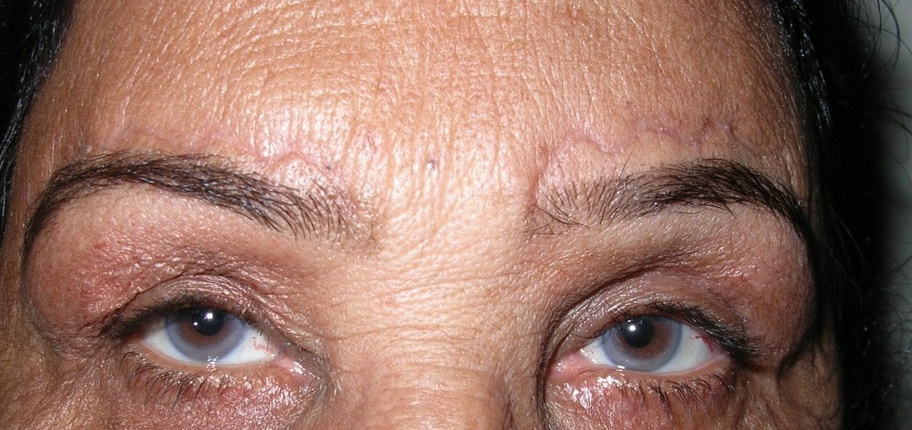
Photographs of patients treated at I·PLAST, published with their consent. Results vary from patient to patient.
Browplasty
Before and after browplasty.
Specialist: Dr. Raman Mittal
About this treatmentBefore

After
Browplasty + Blepharoplasty
Before and after browplasty combined with blepharoplasty.
Specialist: Dr. Raman Mittal
About this treatmentBefore
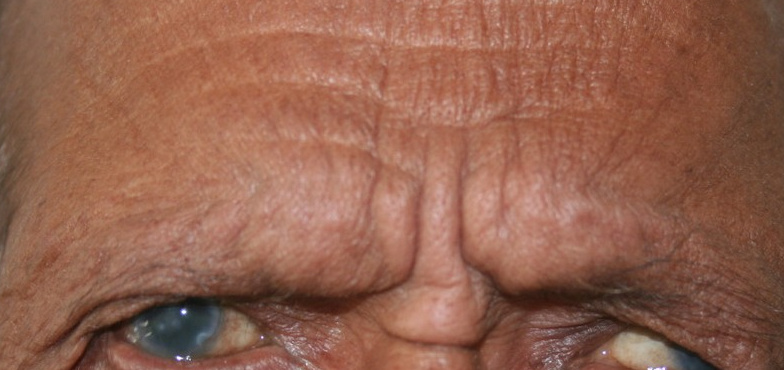
After
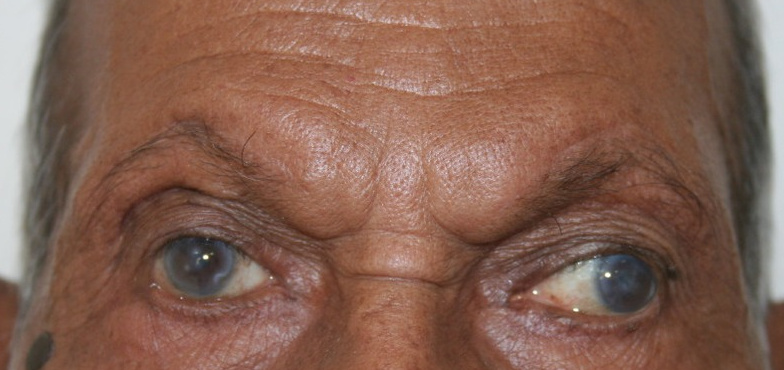
Results vary between patients. These photographs show individual cases and cannot predict the result for anyone else.
Considering this treatment?
Book a consultation to find out whether it is suitable for you.
What to expect
From first visit to follow-up.
- 01
Consultation
Tell the doctor what concerns you and ask your questions.
- 02
Examination & Planning
The doctor examines you and explains the options, including their limits.
- 03
Treatment
Carried out only if it is suitable for you and you decide to go ahead.
- 04
Follow-Up
Check-ups after treatment to review healing and any next steps.
FAQs
Common questions.
This can only be decided after a consultation and examination. The doctor will go through your concern, your medical history and the options available.
The doctor asks about your concern and medical history, examines you, and discusses what you hope to change and whether treatment is advisable.
Dr. Raman Mittal sees patients for this treatment at I·PLAST.
Yes. If treatment is planned, the doctor will explain aftercare, any activity restrictions and the follow-up visits you will need.
Not necessarily. Results depend on your anatomy, the examination findings, your general health and the procedure. Photographs of other patients show their results only.