
Eye & Oculoplastic Surgery
Orbital Abscess
Treatment of an infection in the eye socket.
Consult Dr. Raman Mittal ↗
View before & after photos Illustrative image · not a patient result
Overview
About Orbital Abscess
An orbital abscess is a serious infection in the eye socket and needs prompt medical care. This page cannot tell you how urgent your symptoms are.
When to see a specialist
- 01A diagnosed orbital infection or abscess
- 02A referral for specialist care
- 03Follow-up after treatment of an orbital infection
Whether treatment is suitable can only be decided after a consultation and examination.

Your doctor
Dr. Raman Mittal
Ophthalmology • Oculoplastic Surgery
- MBBS
- DNB – Ophthalmology
- Fellowship in Oculoplasty
Ophthalmologist and oculoplastic surgeon. He treats problems of the eyelids, tear ducts, orbit and eye socket, including cosmetic and reconstructive surgery around the eye.
Your consultation
What happens at the consultation.
At the first visit the doctor listens to your concern, takes a medical history and examines you. Not everyone who comes for a consultation needs a procedure.
Treatment planning
How the plan is decided.
Treatment depends on the examination, any tests and your general medical condition. Urgent symptoms should be seen straight away by an appropriate medical service.
- 01
Your anatomy
- 02
Examination findings
- 03
What you want to change
- 04
General health
In detail
Orbital infection and abscess: what to know.
What it is
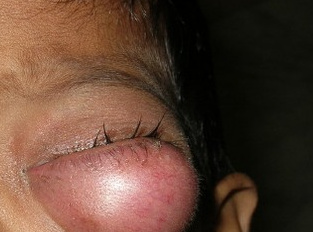
Orbital cellulitis is an infection of the tissues around and behind the eye. An orbital abscess is a collection of pus within them.
- Most cases spread from the sinuses. Others follow an injury, a dental infection or an infected tear sac.
- It often affects children, typically as a red, swollen eyelid after a cold.
Go to a hospital emergency department straight away for a swollen eyelid with a bulging eye, pain or difficulty moving the eye, reduced vision or fever. Without prompt treatment, the infection can threaten sight and spread to the brain.
How it is assessed
- An urgent examination of vision, eye movement and the position of the eye.
- A CT scan with contrast, to show the extent of the infection and whether there is an abscess.
Treatment
- Admission to hospital and antibiotics through a drip.
- An abscess is drained surgically if vision falls, the infection spreads, or there is no improvement after about 48 hours of antibiotics.
Recovery and follow-up
- How long you stay in hospital depends on how quickly the infection responds.
- Follow-up visits check vision and eye movement, and that the infection has fully cleared.
General information, checked against published guidance (September 2026). It does not replace an individual consultation; your doctor will advise on your own case.
Sources: EyeWiki (AAO): Orbital cellulitis
Before & After
Orbital Abscess Results
Photographs of patients treated at I·PLAST, published with their consent. Results vary from patient to patient.
Orbital Abscess
Before and after treatment of an orbital abscess.
Specialist: Dr. Raman Mittal
About this treatmentBefore treatment
After treatment

Results vary between patients. These photographs show individual cases and cannot predict the result for anyone else.
Considering this treatment?
Book a consultation to find out whether it is suitable for you.
What to expect
From first visit to follow-up.
- 01
Consultation
Tell the doctor what concerns you and ask your questions.
- 02
Examination & Planning
The doctor examines you and explains the options, including their limits.
- 03
Treatment
Carried out only if it is suitable for you and you decide to go ahead.
- 04
Follow-Up
Check-ups after treatment to review healing and any next steps.
FAQs
Common questions.
This can only be decided after a consultation and examination. The doctor will go through your concern, your medical history and the options available.
The doctor asks about your concern and medical history, examines you, and discusses what you hope to change and whether treatment is advisable.
Dr. Raman Mittal sees patients for this treatment at I·PLAST.
Yes. If treatment is planned, the doctor will explain aftercare, any activity restrictions and the follow-up visits you will need.
Not necessarily. Results depend on your anatomy, the examination findings, your general health and the procedure. Photographs of other patients show their results only.